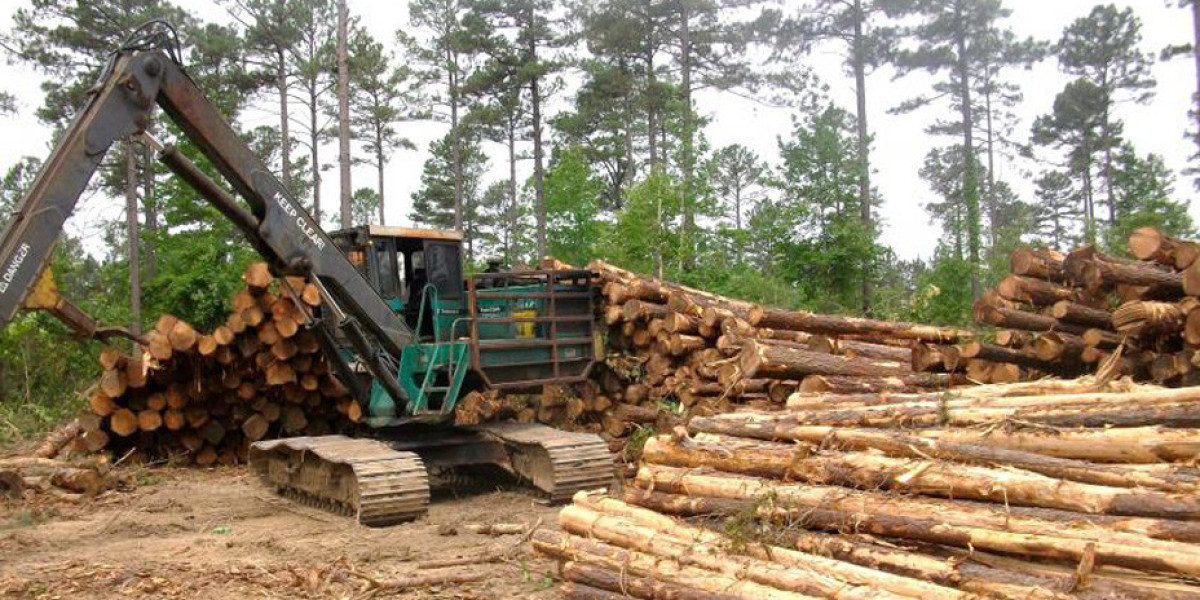

Healthy forests play an important role in preserving biodiversity, controlling the climate, and providing human well-being, while sustainable forest management guarantees the use of these resources in a responsible manner without compromising their productivity in the long run. It is a combination of different strategies and methods to balance environmental preservation, economic gains and social obligations thus making forests sustainable and advantageous for future generations.
Key Principles of Sustainable Forest Management:
Ecological Conservation
- Plant and wildlife conservation, along with maintaining the biodiversity of ecosystems, is essential for keeping the ecosystems balanced.
- Limiting soil erosion, preventing water pollution, and promoting natural regeneration of trees are recognized measures to keep the forests healthy.
- Protecting old growth forests and other ecologically sensitive areas is a way of supporting ecosystem stability in the very long term.
Economic and Social Responsibility
- Avoiding overexploitation when harvesting timber and non-timber forest products is the first step in ensuring that these resources are always available in the long run.
- Sustainable forestry offers the possibility of production for the local communities while also making sure the forest resources are used in a responsible manner.
- Supporting environmentally friendly products, including certified wood and plant-based materials, is a way of promoting ethical use of resources.
Long-Term Planning and Monitoring
- Regular inspection of forest conditions is done to uncover potential hazards such as pest infestations, diseases or illegal logging.
- With the help of innovative management approaches, forest ecosystems will be able to withstand the impact of climate change and environmental challenges.
- By planning, forests can still provide essential ecosystem services such as carbon sequestration, water purification, and recreational areas.
Benefits of Sustainable Forest Management:
Preserves ecosystems and wildlife for future generations
Reduces the effects of climate change through carbon sequestration
Supports local economies and social well-being
Maintains forest resources for long-term human use
In conclusion, sustainable forest management is more than responsible forestry—it is a commitment to balance ecological, economic, and social needs. By protecting forests while utilizing them wisely, communities and ecosystems can thrive together, ensuring that these critical natural resources remain healthy and productive for generations to come.