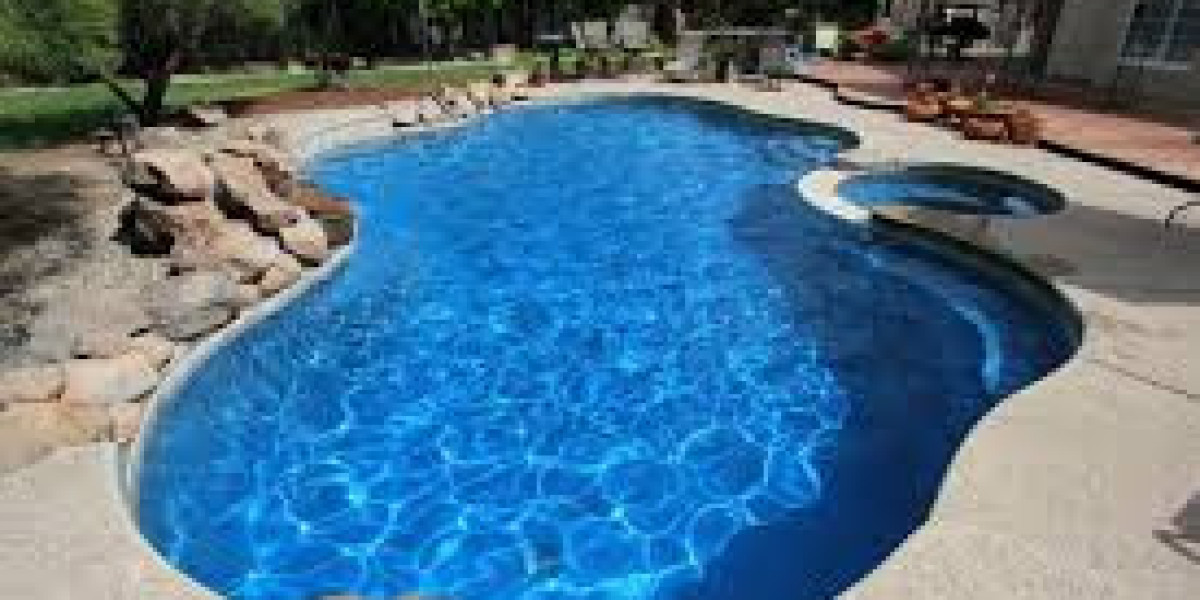

Swimming pools are more than just backyard amenities; they are centerpieces of relaxation, entertainment, and property value. One of the most critical decisions when constructing or renovating a pool is selecting the right Pool Plaster finish. The plaster not only determines the visual appeal of the water but also affects durability, maintenance, comfort, and long-term performance.
In this comprehensive guide, we explore the key details homeowners and property developers should consider when selecting the right Pool Plaster finish. From materials and color options to durability and maintenance factors, this guide provides a complete understanding to help you make the best choice for your pool investment.
Understanding Pool Plaster and Why It Matters
Pool Plaster is the interior coating applied to concrete or gunite swimming pools. It forms the smooth, waterproof layer that protects the structure and gives the pool surface its finished appearance.
High-quality plaster serves several essential purposes:
Creates a watertight seal for the pool structure
Provides a smooth and comfortable surface for swimmers
Enhances the visual beauty and water color
Improves longevity and structural protection
Because plaster remains constantly submerged in water and exposed to chemicals, temperature fluctuations, and sunlight, choosing the correct finish is essential for long-term durability and aesthetics.
Types of Pool Plaster Finishes
Modern pools offer several plaster finish options. Each type differs in appearance, cost, lifespan, and texture.
1. Classic White Plaster
Traditional white plaster remains one of the most popular finishes due to its clean, bright look and affordability.
Key characteristics include:
Smooth and comfortable surface
Bright blue water appearance
Cost-effective installation
Simple and classic style
However, traditional plaster generally lasts 7–10 years before resurfacing may be required. It is best suited for homeowners seeking a timeless pool aesthetic at a reasonable budget.
2. Quartz Pool Plaster
Quartz finishes blend plaster with crushed quartz aggregate, creating a stronger and more visually dynamic surface.
Advantages include:
Greater durability compared to traditional plaster
Stain and chemical resistance
Variety of color options
Sparkling, textured appearance
Quartz surfaces typically last 10–15 years, making them an excellent balance between cost and durability.
3. Pebble Pool Finishes
Pebble finishes incorporate natural pebbles and aggregates within the plaster mixture, producing a distinctive, natural lagoonles and aggregates** within the plaster mixture, producing a distinctive, natural lagoon-style aesthetic.
Benefits include:
Extremely durable surface
Slip-resistant texture
Natural stone appearance
Wide range of color blends
Pebble finishes can last 15–20 years or more, making them one of the most durable options available for swimming pools.
4. Polished Aggregate Finishes
Polished aggregate finishes combine high-quality stones, glass beads, and marble aggregates, which are then polished for a smooth, elegant surface.
Advantages include:
Luxury resort-style appearance
Exceptional durability
Smooth yet textured feel
Custom color combinations
This finish is often chosen for high-end residential pools and luxury resorts because of its premium visual effect and long lifespan.
How Pool Plaster Color Influences Water Appearance
One of the most fascinating aspects of pool design is how plaster color influences the final water color.
Common color effects include:
White plaster – Bright, clear blue water
Light blue plaster – Caribbean-style aqua tones
Gray plaster – Deep blue water effect
Dark plaster – Lagoon or natural lake appearance
When selecting a color, consider sunlight exposure, pool depth, surrounding landscaping, and tile choices. These elements work together to define the overall visual impact.
Durability Factors to Consider
The longevity of your Pool Plaster depends on multiple factors beyond the material itself.
Important durability factors include:
Water Chemistry
Balanced pool chemistry is essential. Improper pH or calcium levels can cause etching, staining, or scaling.
Installation Quality
Professional installation ensures the plaster mixture is applied evenly and cured properly, which greatly affects lifespan.
Maintenance Routine
Regular brushing, cleaning, and water monitoring prevent surface deterioration and discoloration.
Climate Conditions
Regions with extreme temperature swings may cause expansion and contraction, which can affect plaster integrity over time.
A well-installed plaster surface, combined with proper maintenance, can significantly extend the life of your pool interior.
Texture and Comfort Considerations
The feel of the pool surface is important for swimmer comfort.
Surface textures generally fall into three categories:
Smooth surfaces – Traditional plaster or polished finishes
Moderate texture – Quartz aggregates
Natural texture – Pebble surfaces
Families with children often prefer smoother surfaces, while homeowners looking for durability and visual texture may opt for aggregate finishes.
Maintenance Requirements for Pool Plaster
Maintaining plaster properly protects both the appearance and structural performance of the pool surface.
Essential maintenance practices include:
Weekly brushing of pool walls
Monitoring pH and alkalinity levels
Regular filtration and cleaning
Preventing calcium buildup
Seasonal inspection for early signs of wear
Routine maintenance keeps Pool Plaster surfaces looking vibrant while preventing long-term damage.
Cost Comparison of Pool Plaster FinishesBudget plays a major role when selecting a plaster finish. Costs typically vary based on materials, labor, and customization.
Approximate cost ranges:
| Finish Type | Average Cost | Lifespan |
|---|---|---|
| Standard White Plaster | $4–$7 per sq ft | 7–10 years |
| Quartz Finish | $7–$10 per sq ft | 10–15 years |
| Pebble Finish | $10–$15 per sq ft | 15–20 years |
| Polished Aggregate | $12–$18 per sq ft | 15–20+ years |
While premium finishes have higher upfront costs, they often provide better longevity and reduced maintenance expenses.
How to Choose the Best Pool Plaster Finish
Selecting the ideal plaster finish requires balancing aesthetics, durability, comfort, and budget.
Key decision factors include:
Design Style
Choose a finish that complements your landscaping, tile design, and pool architecture.
Usage Frequency
Pools used daily by families may benefit from durable aggregate finishes.
Maintenance Preferences
Homeowners seeking minimal upkeep often prefer quartz or pebble surfaces.
Long-Term Investment
Although basic plaster costs less initially, premium finishes often provide greater long-term value.
When all these factors align, the result is a pool that remains beautiful, durable, and enjoyable for years.
Professional Installation Makes the Difference
Even the highest quality materials cannot compensate for poor installation. Professional contractors ensure:
Proper surface preparation
Balanced plaster mixture
Smooth and even application
Correct curing process
Expert installation maximizes the lifespan and visual quality of the final finish.
Final Thoughts
Selecting the right plaster finish is one of the most important decisions in pool construction or renovation. The perfect Pool Plaster surface balances durability, visual beauty, swimmer comfort, and long-term performance.
Whether choosing classic white plaster for its simplicity, quartz for its sparkle, pebble finishes for natural elegance, or polished aggregates for luxury appeal, the right finish transforms an ordinary swimming pool into a stunning backyard oasis.
With careful planning, proper installation, and consistent maintenance, your pool surface will maintain its beauty and performance for many years, providing endless enjoyment for family and guests.