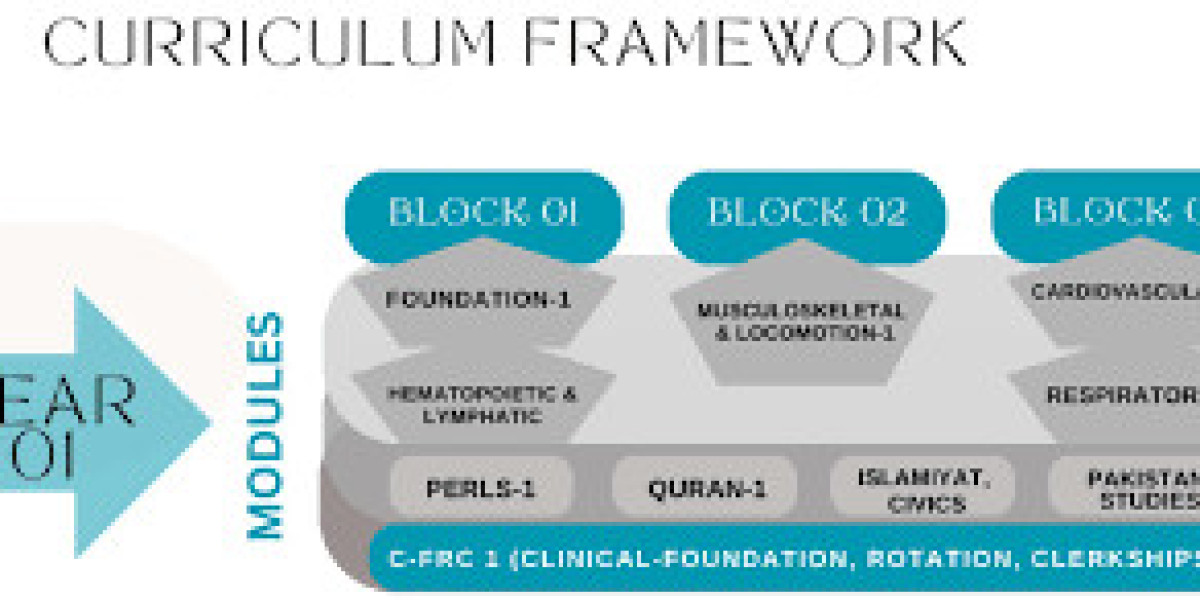

The MBBS program in Pakistan is designed to train students to become skilled and professional doctors. It is a five-year degree program that combines theoretical medical knowledge with practical clinical training. Medical students learn about human anatomy, diseases, treatment methods, and patient care through a structured curriculum. Students who want to explore the detailed structure of medical studies can review the official MBBS Curriculum to understand how the program is organized.
Overview of the MBBS Program in Pakistan
The MBBS degree is one of the most respected professional programs in Pakistan. The curriculum is regulated by medical education authorities and is designed to ensure that students gain both academic knowledge and clinical experience.
The five-year MBBS program is usually divided into pre-clinical, para-clinical, and clinical phases. Each phase focuses on different aspects of medical science and prepares students for the next level of learning.
Students gradually move from basic medical sciences to advanced clinical practice, where they interact with patients and learn directly from experienced doctors.
First and Second Year – Basic Medical Sciences
During the first two years of the MBBS program, students study the fundamental sciences related to the human body. These subjects help them understand how the body functions and how diseases develop.
Common subjects in the early years include:
Anatomy
Physiology
Biochemistry
Behavioral Sciences
Introduction to Community Medicine
These subjects provide the foundation of medical knowledge. Students also spend time in laboratories where they examine anatomical models, study body systems, and perform experiments related to biological processes.
Third Year – Para-Clinical Studies
In the third year, students begin studying para-clinical subjects that connect basic sciences with medical practice. These subjects help students understand how diseases are diagnosed and treated.
Some of the main subjects in this phase include:
Pathology
Pharmacology
Forensic Medicine
Community Medicine
Students learn about disease mechanisms, medications, and the legal aspects of medical practice. Laboratory work and case discussions play an important role during this stage.
Many leading institutions, such as Abu Umara Medical & Dental College, Lahore, follow a structured approach to ensure students receive strong academic training along with practical learning opportunities.
Fourth and Fifth Year – Clinical Training
The final two years of the MBBS program focus mainly on clinical training. During this period, students spend most of their time in hospitals and clinical departments where they observe real patient cases and assist experienced doctors.
Major clinical subjects include:
Medicine
Surgery
Gynecology and Obstetrics
Pediatrics
Ophthalmology
ENT
Students learn how to diagnose illnesses, communicate with patients, and develop treatment plans. Clinical rotations help them gain confidence and practical experience in real healthcare environments.
Importance of Clinical Exposure
Clinical exposure is a crucial part of the MBBS curriculum. Students interact with patients under the supervision of senior doctors and learn how to apply their theoretical knowledge in real situations.
This hands-on experience helps students develop important skills such as:
Patient examination
Medical history taking
Diagnostic reasoning
Professional communication
These skills are essential for becoming a competent and responsible doctor.
Final Professional Exams and House Job
At the end of the five-year program, students must pass final professional examinations to complete their MBBS degree. After graduation, they usually complete a one-year house job (internship) in hospitals where they gain further clinical experience.
This internship allows new doctors to work in different medical departments and develop practical skills before starting their professional careers or specialization.
Our Blog
Students who want to learn more about medical education, career guidance, and updates related to healthcare studies can visit our blog. The blog provides useful information for aspiring medical students and insights about studying medicine in Pakistan.
Conclusion
The MBBS curriculum in Pakistan is carefully designed to prepare students for the challenges of the medical profession. Over five years, students progress from learning basic sciences to practicing clinical medicine in hospitals. This structured approach ensures that graduates are well-equipped with the knowledge and practical skills needed to serve patients and contribute to the healthcare system.