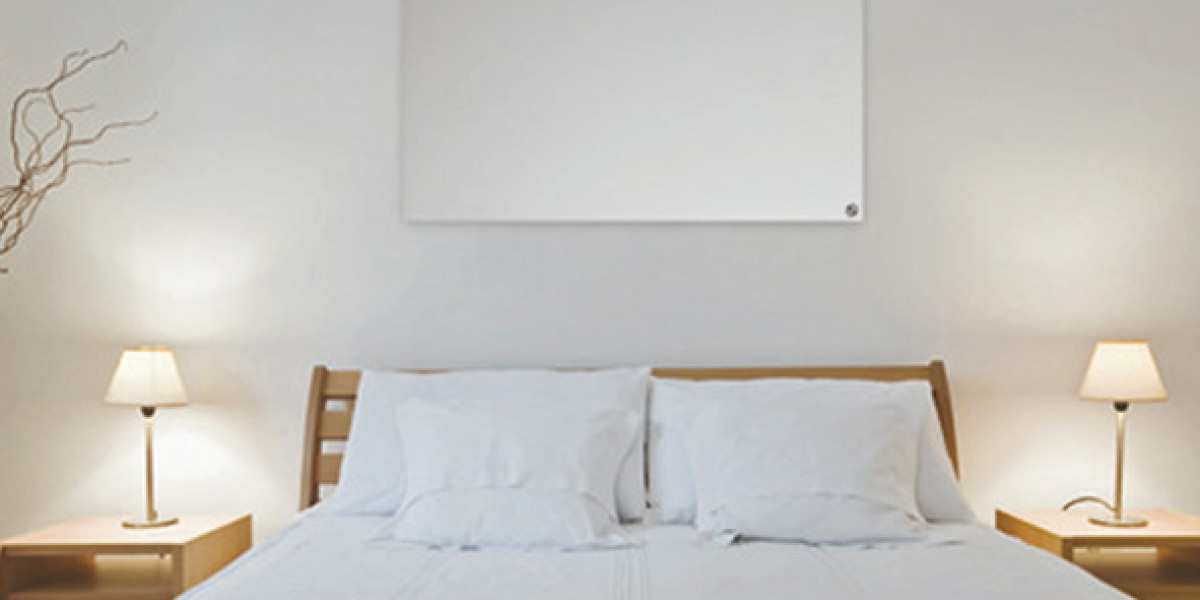

Radiant Heat: Efficient, Comfortable, and Modern Solutions for Every Space
Radiant Heat systems represent a modern and efficient approach to indoor heating, offering consistent warmth through an innovative method of heat distribution. Unlike traditional systems, which rely on circulating heated air, radiant systems work by directly transferring heat to surfaces such as floors, walls, and ceilings, ensuring even warmth throughout the space. This heating method eliminates uneven temperatures and draughts, creating a more comfortable indoor environment. Additionally, the absence of moving parts, such as fans or blowers, allows these systems to operate quietly, enhancing the overall tranquillity of the setting. Radiant heating is known for its ability to provide efficient heating while maintaining excellent air quality, as it avoids stirring up dust and allergens. This makes it a versatile solution suitable for residential, commercial, and industrial spaces, ensuring comfort and reliability across various applications.
How Radiant Heating Systems Operate
Radiant heating systems operate by utilising infrared radiation to transfer heat directly to objects and surfaces within a space. This method involves the installation of heating components, such as pipes or electrical elements, beneath floors or within walls and ceilings. These components emit heat, which rises naturally to create an even temperature throughout the area. The absence of forced air circulation ensures a cleaner environment, as there is no movement of dust or allergens. This heating approach eliminates temperature inconsistencies, providing consistent warmth across the room.
Additionally, the design of radiant systems allows them to maintain thermal comfort with minimal energy consumption. The heat delivery is precise and efficient, ensuring optimal performance while reducing energy wastage. This advanced heating method is both practical and adaptable, suiting a variety of spaces and applications without compromising efficiency or comfort.
Energy Efficiency and Cost Savings
Radiant heating systems achieve high energy efficiency by delivering heat directly to surfaces and objects, minimising heat loss and ensuring consistent indoor temperatures. This method of heat transfer requires less energy compared to traditional systems, allowing for reduced energy consumption and greater cost-effectiveness. By maintaining warmth efficiently without the need for continuous operation, these systems help lower overall energy usage.
The ability to maintain desired temperatures with minimal energy input contributes significantly to long-term savings on utility expenses. Additionally, their precise heat delivery reduces the risk of overheating or underheating, which can often lead to unnecessary energy waste. As a result, radiant heating systems provide an economical solution for heating spaces while also supporting environmentally conscious energy practices.
Eco-Friendly Features
Radiant heating systems are designed to promote environmental sustainability through their energy-efficient operation and reduced carbon footprint. By directly transferring heat to surfaces and objects, these systems minimise energy waste and optimise resource usage. Unlike forced-air systems, they do not rely on ducts, which can lead to significant heat loss, further enhancing their efficiency. Many radiant systems are constructed using durable, sustainable materials, contributing to their longevity and reducing the need for frequent replacements. Their operation does not produce emissions on-site, making them an environmentally responsible choice.
Additionally, the absence of moving air reduces the need for additional energy-consuming components such as fans or blowers. This streamlined design not only supports a cleaner indoor environment but also aligns with broader efforts to conserve energy and reduce environmental impact in both residential and commercial applications.
Quiet Operation Benefits
Radiant heating systems offer a significant advantage in terms of quiet operation, as they function without the need for mechanical components such as fans or blowers. This absence of moving parts eliminates the noise commonly associated with forced-air systems, creating a serene indoor environment. The silent nature of radiant heating makes it particularly beneficial in spaces where maintaining peace is essential, such as bedrooms, offices, or study areas. This design not only supports uninterrupted rest and concentration but also ensures that the heating process does not interfere with daily activities or routines.
Additionally, the quiet performance contributes to overall comfort, enhancing the appeal of these systems for both residential and professional settings. The lack of operational noise also highlights the sophisticated engineering of radiant heating, offering effective temperature control without disrupting the calm atmosphere of a space.
Suitability for Various Environments
Radiant heating systems are versatile and well-suited for a variety of environments, ranging from residential to commercial and industrial settings. These systems can be installed in diverse building types, including new constructions, renovated properties, and spaces with unique architectural designs. They perform efficiently in different climates, providing reliable warmth during colder months while maintaining consistent indoor temperatures. Their adaptability makes them an ideal choice for areas where even heat distribution and reduced energy consumption are priorities.
Additionally, radiant systems can be tailored to specific needs, such as underfloor heating in homes or larger-scale applications in warehouses and offices. Their unobtrusive design integrates seamlessly into various interiors without compromising functionality. The ability to offer effective and adaptable heating solutions ensures that these systems meet the demands of a wide range of settings without sacrificing efficiency or comfort.
Installation and Maintenance
The installation of radiant heating systems typically involves embedding heating components, such as pipes or electrical elements, into floors, walls, or ceilings. This process often requires professional expertise to ensure the system is installed correctly and operates efficiently. Once installed, these systems are known for their durability and low-maintenance nature due to the absence of moving mechanical parts.
Routine checks may be performed to verify the system's functionality and efficiency, though the need for frequent servicing is minimal. Proper installation ensures even heat distribution and long-term performance. Maintenance generally involves ensuring that the heating elements and control systems remain in good working condition, allowing for consistent operation without significant ongoing upkeep requirements.
Health and Comfort Advantages of Radiant Heat
Radiant heat contributes to a healthier and more comfortable indoor environment through their unique heat distribution method. By operating without air circulation, they reduce the presence of airborne particles such as dust and allergens, which can improve overall air quality. This feature is particularly advantageous for individuals with sensitivities or respiratory conditions. The consistent warmth provided by these systems eliminates temperature fluctuations and draughts, ensuring a more balanced and pleasant living or working space.
Furthermore, the even distribution of heat allows for thermal comfort without creating overly dry or stuffy conditions. This balanced approach to heating supports both physical well-being and a consistently comfortable indoor atmosphere, making it a favourable choice for a variety of settings.
Technological Advancements
Technological advancements have significantly refined the performance and adaptability of radiant heating systems, introducing enhanced features such as smart controls and zoning capabilities. These innovations allow for precise temperature adjustments, enabling tailored heating solutions for different areas within a space. Integration with renewable energy sources, such as solar panels, has further improved energy efficiency and environmental sustainability.
Modern designs incorporate advanced materials to optimise heat transfer and durability, ensuring reliable performance over extended periods. Developments in installation techniques have also made it easier to integrate radiant systems into both new and existing structures. These technological improvements continue to expand the potential applications of radiant heating systems, supporting their use in a wide range of settings while maintaining their efficiency and effectiveness.
Cost and Budget Considerations
The cost of installing radiant heating systems varies depending on factors such as the size of the area and the type of system selected. While the initial investment may appear higher compared to some conventional heating methods, the efficiency and longevity of these systems contribute to significant long-term financial benefits. By reducing energy consumption through precise heat distribution, they offer substantial savings on utility bills over time.
Additionally, their durable design reduces the likelihood of frequent repairs or replacements, minimising ongoing expenses. Budget considerations should also account for the low-maintenance nature of radiant systems, which further supports cost-effectiveness. Planning installation with attention to both upfront costs and long-term advantages allows for practical integration within various financial constraints.
Comparative Analysis with Other Systems
Radiant heating systems distinguish themselves from other heating methods through their innovative design and operation. Unlike forced-air systems, they eliminate the need for ducts, avoiding issues such as heat loss and the circulation of dust and allergens. This contributes to improved indoor air quality and consistent temperature control. In comparison to traditional electric heaters, radiant systems are more energy-efficient, as they directly transfer heat to surfaces and objects, reducing energy wastage.
Furthermore, their silent operation sets them apart from systems relying on fans or blowers. Their ability to maintain even warmth across spaces also contrasts with the uneven heat distribution often associated with conventional heating methods. These advantages make radiant heating a reliable and efficient option for diverse applications.
Common Misconceptions
There is a misconception that radiant heating systems are inefficient in colder climates, whereas they provide consistent warmth regardless of external temperatures due to their direct heat transfer method. Another misunderstanding is that these systems require extensive structural modifications; however, they can often be installed with minimal disruption, even in existing spaces.
Some believe that they cannot provide precise temperature control, yet modern advancements have introduced features such as zoning, allowing customised heating for specific areas. Additionally, concerns about maintenance complexity are unfounded, as these systems typically involve straightforward upkeep owing to their durable and simple design.
Conclusion
In conclusion, radiant heat systems offer a superior alternative to traditional forced-air methods by prioritising energy efficiency, silent operation, and exceptional indoor air quality. By heating surfaces directly, these systems eliminate the common issues of draughts and dust circulation, making them a particularly healthy choice for Australian households. Although the initial installation requires professional expertise, the long-term savings on utility bills and the minimal maintenance requirements provide an excellent return on investment. As technological advancements continue to integrate smart controls and renewable energy compatibility, radiant heating remains a sustainable and luxurious solution for modern Australian living.
Frequently Asked Questions
What are the main differences between electric and hydronic radiant floor heating?
The two primary types of radiant floor heating used in Australia are electric and hydronic systems. Electric systems utilize thin heating cables or mats installed just beneath the floor finish, making them ideal for retrofitting in smaller areas like bathrooms or kitchens. Hydronic systems, however, involve circulating heated water through a network of specialised polyethylene pipes embedded within a concrete slab or screed. While electric systems are generally cheaper and faster to install, hydronic systems are significantly more cost-effective to run over large areas and can be integrated with energy-efficient heat pumps or solar thermal collectors.
Can radiant heat be installed under all types of flooring materials?
Radiant heat is highly versatile and compatible with a wide range of popular Australian flooring choices, including ceramic tiles, stone, polished concrete, and engineered timber. Tiles and stone are the most efficient conductors, as they retain and radiate heat effectively for long periods. If you are opting for timber or laminate, it is essential to choose products rated for underfloor heating to prevent warping or cracking due to temperature changes. Carpet can also be used, provided the underlay and pile are not so thick that they act as an insulator, which would hinder the heat from reaching the room.
Is it possible to use a radiant heating system for cooling during the summer months?
While radiant systems are primarily designed for heating, hydronic systems can technically be used for radiant cooling by circulating chilled water through the pipes. This process absorbs heat from the room, lowering the surface temperature of the floor. However, this is significantly more complex than heating because it requires careful humidity control to prevent condensation from forming on the cold floor surfaces. In most Australian climates, radiant cooling is best used in conjunction with a dehumidification system to ensure the indoor environment remains comfortable and dry while avoiding slippery or damp floors.
How much energy can I realistically save by switching from a ducted system to radiant heat?
Homeowners often see energy savings of between 20 percent and 30 percent when switching from forced-air ducted heating to a radiant system. This efficiency stems from the lack of "duct loss," where heated air leaks out of unsealed joins or cools down as it travels through roof spaces. Furthermore, because radiant heat warms the body directly and maintains heat at the floor level where people actually live, most users find they are comfortable with the thermostat set a few degrees lower than they would require with a noisy, ceiling-mounted heater that allows warmth to pool near the roof.
Do radiant heating systems require an annual service or regular maintenance?
One of the most attractive features of radiant heating is its extreme durability and low maintenance requirements. Because the system is embedded and has no moving mechanical parts like fans or filters, there is very little that can wear out or break. For hydronic systems, it is advisable to have a technician check the pressure levels and the condition of the water pump or boiler every few years to ensure peak performance. Electric systems are virtually maintenance-free once installed. Unlike ducted systems, there are no vents or filters to clean, ensuring the air remains allergen-free year after year.
Related Business Listings |


