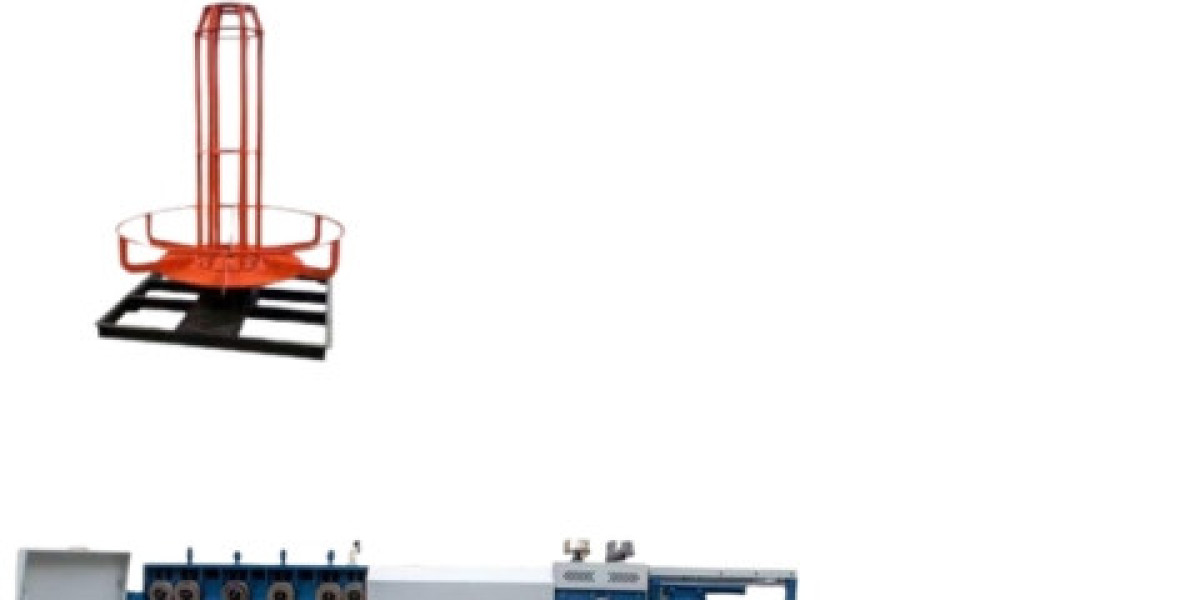

The backbone of any modern skyscraper, bridge, or highway is reinforced concrete. However, as architectural designs grow more complex and safety standards more rigorous, the traditional methods of preparing steel reinforcement are no longer sufficient. Manual bending is slow, physically taxing, and prone to human error—variables that modern construction schedules simply cannot afford. To bridge the gap between complex blueprints and structural reality, industry leaders are turning to the automatic rebar bending machine.
The Shift to CNC Precision
At the heart of modern steel fabrication is CNC (Computer Numerical Control) technology. Unlike manual bending, where an operator estimates angles and lengths, an automated system follows digital instructions with surgical accuracy. By inputting specifications directly into the machine's interface, contractors can produce perfect stirrups, hooks, and complex geometric shapes.
This level of repeatability is crucial for large-scale projects. When a foundation requires thousands of identical steel supports, even a one-degree deviation in a bend can lead to structural inconsistencies. Automation ensures that the first piece is an exact replica of the ten-thousandth, ensuring 100% compliance with engineering codes.
Maximizing Efficiency and Labor ROI
In the competitive world of civil engineering, time is the ultimate currency. An automated bending center can process tons of steel per day, performing straightening, measuring, and bending in one continuous motion. This "all-in-one" workflow allows a single operator to achieve the output of an entire manual crew.
By automating the "heavy lifting," construction firms can optimize their workforce. Skilled laborers can be redirected to more critical site management tasks, while the machine handles the repetitive, high-strain work. This not only accelerates the project timeline but also significantly lowers the risk of workplace injuries associated with manual steel handling.
Reducing Waste and Environmental Impact
Material waste is a silent profit killer on construction sites. Manual cutting and bending often result in "short ends" and mistakes that end up in the scrap pile. Modern automated systems calculate the most efficient way to use each bar or coil, reducing waste to near-zero. For firms looking to improve their sustainability profile, this precision is a major asset, lowering raw material costs and reducing the carbon footprint of the project.
Industrial Durability for Harsh Sites
Construction equipment must be rugged enough to survive in dusty, high-vibration environments. Professional-grade bending machines are built with hardened alloy steel components and heavy-duty servo motors designed for 24-hour operation. This industrial-grade construction ensures a long service life and a high return on investment across multiple project cycles.
Conclusion
As we look toward a future of smarter, more resilient infrastructure, the tools we use must be as advanced as the structures we design. Investing in automated steel processing is a commitment to quality, speed, and safety. By optimizing your rebar fabrication, you ensure that every project starts on a foundation of absolute precision.