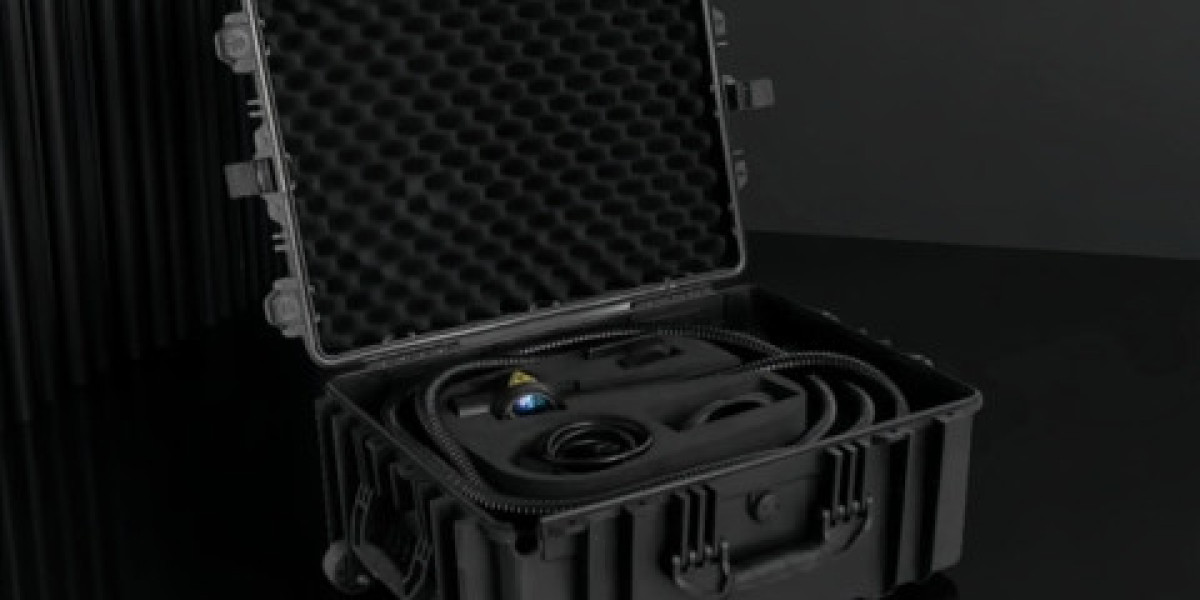

Restoring antique furniture, historical timber frames, or intricate woodwork has traditionally been a labor of love—and a literal test of patience. For years, the only way to peel back layers of age-old varnish, stubborn paint, or deep-seated grime was through the use of caustic chemical strippers or aggressive sanding. These methods carry significant risks: chemicals can discolor the wood fibers and pose health hazards, while sanding often removes the natural patina and softens sharp, hand-carved details. Today, a more sophisticated solution is emerging for craftsmen and conservationists: the laser wood stripper.
The Science of Gentle Restoration
Laser cleaning technology works through a process known as selective ablation. Unlike mechanical methods that rely on friction and force, a laser emits high-frequency pulses of light that are absorbed by the surface contaminants. Because dark paints, resins, and varnishes absorb energy differently than the organic structure of the wood, the laser can be calibrated to vaporize the coating without scorching the timber beneath.
This precision is a game-changer for delicate restoration. It allows the operator to remove centuries of buildup while leaving the original wood grain entirely intact. Whether you are working with softwoods like pine or dense hardwoods like oak and mahogany, the laser offers a level of control that manual tools simply cannot replicate.
Efficiency Without the Mess
One of the most immediate benefits of transitioning to laser technology is the elimination of secondary waste. Conventional stripping is "dirty." It results in piles of sawdust or barrels of hazardous chemical sludge that require specialized disposal. In contrast, laser stripping is a dry process. The coatings are turned into vapor or fine dust, which can be instantly captured by a fume extraction system. This creates a clean, dust-free workshop environment, protecting the health of the artisan and significantly reducing the time spent on post-job cleanup.
Versatility and Detail Preservation
Intricate carvings and moldings have always been the most difficult areas to strip. Sanding blocks cannot reach into deep crevices, and chemicals often pool in corners, leading to uneven results. A handheld laser stripper bypasses these issues entirely. The beam of light reaches into every microscopic detail of a carving, cleaning the surface uniformly without the need for physical contact. This non-contact nature also means there is no risk of "fuzzing" the wood fibers, a common side effect of water-based strippers or heavy sanding.
A Sustainable Future for Woodworking
As the industry moves toward more sustainable practices, the "green" profile of laser technology is undeniable. With no consumables—no sandpaper, no solvents, and no steel wool—the long-term operational costs are lowered, and the environmental impact is drastically reduced. It is a modern solution that respects the age-old beauty of natural materials.
Conclusion
Preserving history requires tools that respect the integrity of the original work. By adopting laser technology, restorers can achieve museum-quality results in a fraction of the time. Whether you are revitalizing a vintage heirloom or maintaining the structural beams of a heritage building, the future of woodworking is bright, precise, and chemical-free.