
Living with a rare kidney condition can bring uncertainty, questions, and emotional strain. At NephCure, our mission is to educate, support, and advocate for individuals and families affected by complex kidney diseases. This article is designed to build awareness and provide clear, friendly guidance on focal segmental glomerulosclerosis nephrotic syndrome, including an overview of focal segmental glomerulosclerosis risk factors and the underlying fsgs causes.
By breaking down medical concepts into understandable insights, we hope to help patients feel more informed and empowered.
What Is Focal Segmental Glomerulosclerosis (FSGS)?
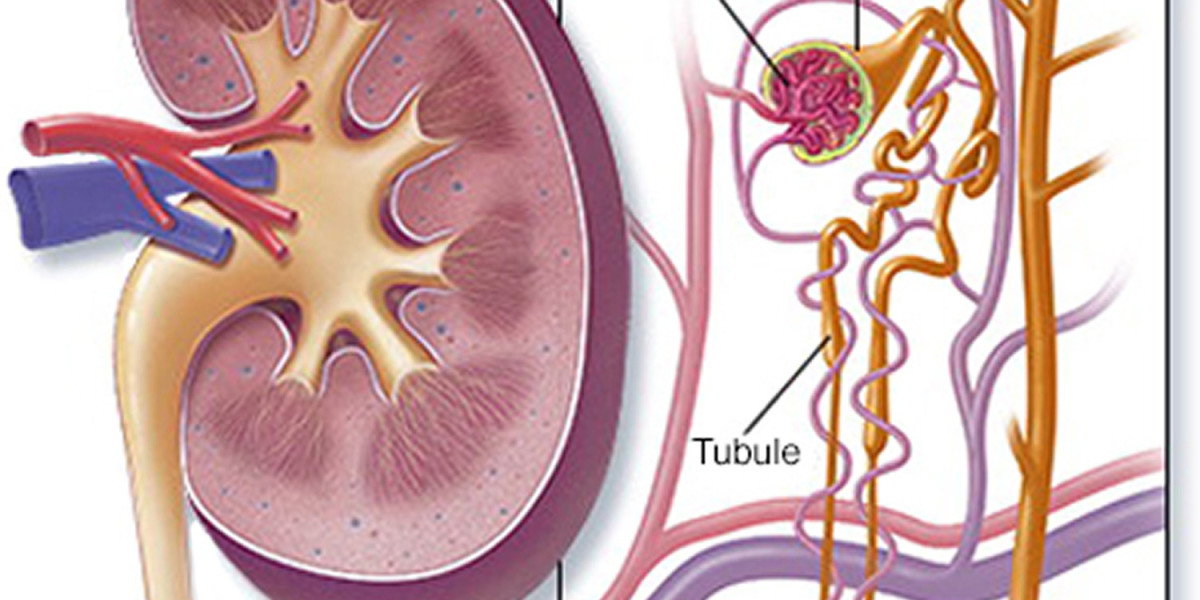
Focal segmental glomerulosclerosis, commonly called FSGS, is a chronic kidney disease that affects the glomeruli—the tiny filters inside the kidneys. The name describes how the damage occurs:
Focal: only some glomeruli are affected
Segmental: only a portion of each glomerulus is scarred
Glomerulosclerosis: hardening or scarring of the filters
Over time, this scarring can interfere with normal kidney function and lead to protein loss in the urine.
The Link Between FSGS and Nephrotic Syndrome
One of the most significant complications of FSGS is focal segmental glomerulosclerosis nephrotic syndrome. Nephrotic syndrome is not a disease itself, but a group of symptoms that occur when the kidneys are damaged.
Common Features of Nephrotic Syndrome:
High levels of protein in the urine
Swelling in the legs, feet, ankles, or around the eyes
Low protein levels in the blood
Increased cholesterol levels
At NephCure, we emphasize early recognition of these symptoms, as prompt diagnosis and care may help slow disease progression.
Understanding FSGS Causes
Patients often ask why FSGS develops. While there is no single answer, fsgs causes are generally grouped into several categories.
Main Types of FSGS Causes:
Primary (idiopathic) FSGS, where the cause is unknown
Genetic causes, linked to inherited mutations
Secondary causes, related to other conditions such as obesity, infections, reduced kidney mass, or certain medications
Identifying the underlying cause helps healthcare providers tailor treatment and monitoring plans to each individual.
Focal Segmental Glomerulosclerosis Risk Factors
Not everyone has the same likelihood of developing FSGS. Understanding focal segmental glomerulosclerosis risk factors can help with early detection and awareness.
Common Risk Factors Include:
Family history of kidney disease
Certain genetic backgrounds
Obesity or metabolic conditions
Viral infections
Long-term stress on the kidneys
While risk factors do not guarantee disease development, recognizing them can encourage earlier evaluation and proactive care.
Living With FSGS: More Than Medical Care
Managing FSGS involves more than medications and lab tests. Emotional support, education, and lifestyle awareness all play important roles.
Practical Tips for Daily Life:
Attend regular medical appointments and follow-up testing
Monitor symptoms such as swelling or changes in urine
Maintain open communication with healthcare providers
Seek education and peer support through trusted organizations
NephCure understands that living with FSGS can feel isolating, which is why community connection and reliable information are central to our work.
Why Education and Advocacy Matter
Because FSGS is considered a rare disease, many patients face delayed diagnosis or limited resources. NephCure is committed to:
Advancing research into fsgs causes and treatments
Supporting clinical trials and scientific collaboration
Amplifying patient voices in healthcare and policy discussions
Education helps patients become active participants in their care and strengthens the broader kidney disease community.
Moving Forward With Knowledge and Hope
A diagnosis of focal segmental glomerulosclerosis nephrotic syndrome can feel overwhelming, but understanding the condition brings clarity and confidence. As research continues and awareness grows, new opportunities for improved care and outcomes are emerging.


