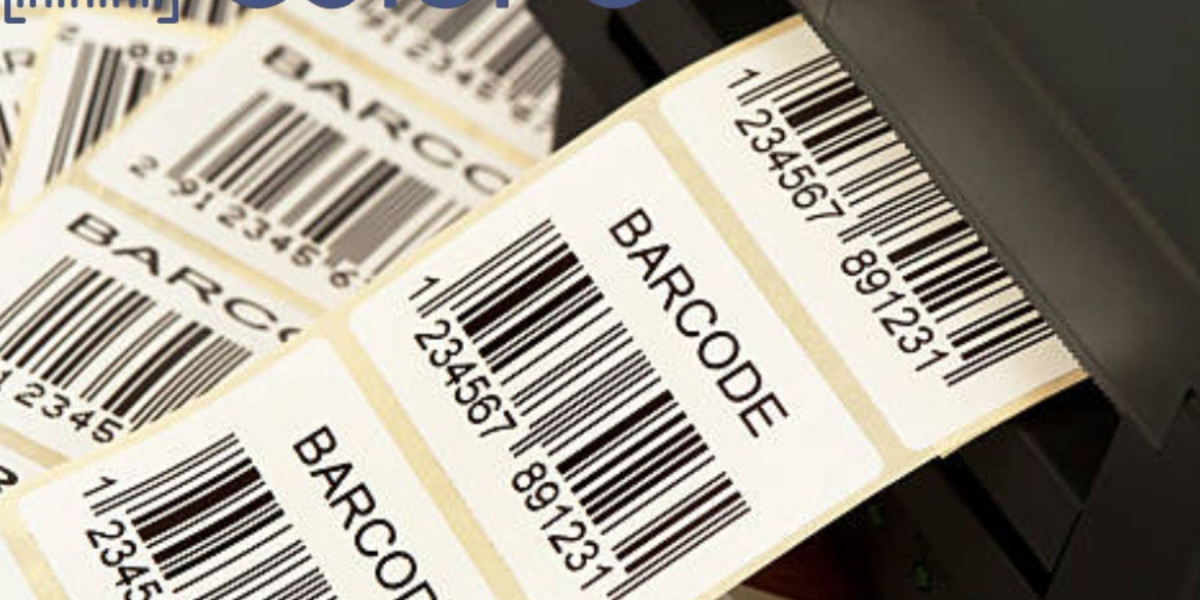

Choosing the right product identification system is one of the most important decisions a retail business can make. With multiple technologies available UPC Garment barcodes, QR codes, and RFID many sellers are confused about what they actually need, especially when selling on major marketplaces.
While all three technologies play a role in modern retail, they are not interchangeable. Understanding their differences helps businesses stay compliant, avoid listing issues, and build scalable operations.
Why Product Identification Still Matters More Than Ever
Retail and eCommerce platforms rely heavily on structured product data. Every product must be:
Uniquely identifiable
Scannable by machines
Compatible with inventory systems
Verifiable against trusted databases
Product identifiers are the backbone of pricing, inventory tracking, fulfillment, and marketplace catalogs. Choosing the wrong system can cause listing rejections, operational errors, and long-term data problems.
What Is a UPC Barcode?
A UPC (Universal Product Code) is a linear barcode standardized by GS1, the global organization responsible for product identification standards.
UPC barcodes are used for:
Retail checkout systems
Online marketplaces
Inventory and warehouse management
Global product databases
Each UPC represents one unique product, making it ideal for standardized product tracking across platforms.
Why UPC Barcodes Are the Retail Standard
UPC barcodes remain the most widely accepted product identifier because they:
Are globally recognized
Work with all POS systems
Are required by major marketplaces
Integrate with GS1 databases
Support long-term product listings
For sellers on Amazon, Walmart, Google Shopping, and Shopify, UPC barcodes are often mandatory for creating compliant listings.
What Are QR Codes and How Are They Used?
QR codes are two-dimensional codes that can store URLs, text, or other data. They are commonly used for:
Marketing campaigns
Product manuals
Authentication pages
Promotions and discounts
QR codes are excellent for customer engagement, but they are not a replacement for UPC barcodes in retail systems.
Why QR Codes Cannot Replace UPC Barcodes
Despite their flexibility, QR codes are not suitable as primary product identifiers because:
Retail POS systems do not scan them for checkout
Marketplaces do not accept them as GTINs
They are not registered in GS1 product databases
They do not uniquely identify products globally
Many brands use QR codes in addition to UPC barcodes but not instead of them.
What Is RFID and When Is It Used?
RFID (Radio Frequency Identification) uses radio waves to track items without direct scanning. RFID tags are commonly used by:
Large retailers
High-volume warehouses
Supply chain operators
Enterprise-level apparel brands
RFID enables bulk scanning and real-time inventory visibility, but it comes with higher costs and infrastructure requirements.
Why RFID Is Not Required for Most Sellers
While RFID is powerful, it is not practical for most small and medium businesses because:
Tags are more expensive
Readers and systems are costly
Marketplaces do not require RFID
UPC barcodes are still mandatory
Even retailers using RFID still rely on UPC barcodes as the foundational product identifier.
Comparing UPC, QR Codes, and RFID
| Feature | UPC Barcode | QR Code | RFID |
|---|---|---|---|
| Marketplace accepted | ✅ Yes | ❌ No | ❌ No |
| POS compatible | ✅ Yes | ❌ No | ❌ No |
| GS1 registered | ✅ Yes | ❌ No | ❌ No |
| Low cost | ✅ Yes | ✅ Yes | ❌ No |
| Inventory tracking | ✅ Yes | Limited | ✅ Advanced |
This comparison makes one thing clear: UPC barcodes are non-negotiable for retail and eCommerce selling.
Why Marketplaces Require GS1-Compliant UPCs
Marketplaces validate product identifiers against GS1 records to ensure:
Product authenticity
Brand ownership
Catalog accuracy
Duplicate prevention
Using non-compliant or recycled codes can lead to:
Listing suppression
Data mismatches
Brand conflicts
Account warnings
This is why sellers must use GS1-compliant UPC barcodes from reliable sources.
Choosing the Right Barcode Strategy for Your Business
The best approach for most businesses is:
UPC barcodes → for product identification & compliance
QR codes → for marketing and customer interaction
RFID → optional, for large-scale operations
UPC barcodes form the foundation. Everything else is supplementary.
Where to Get Reliable UPC Barcodes
To avoid future issues, sellers should obtain UPC barcodes that align with GS1 standards and marketplace verification systems. Trusted providers such as offer GS1-compliant UPC barcodes suitable for retail, eCommerce, and apparel brands.
Choosing the right source ensures your barcodes remain valid, unique, and usable long term.
Future-Proofing Your Product Data
Retail technology will continue to evolve, but UPC barcodes remain the universal identifier across physical and digital commerce. Businesses that implement proper barcode systems early:
Scale faster
Avoid rework and relabeling
Maintain clean product data
Expand into new channels easily
A strong barcode foundation supports growth today and flexibility tomorrow.
Final Thoughts
While QR codes and RFID have their place, UPC barcodes remain the backbone of retail product identification. They are required, trusted, and universally supported across marketplaces and retail systems.
For any business serious about selling products professionally, investing in GS1-compliant UPC barcodes is not optional it’s essential.