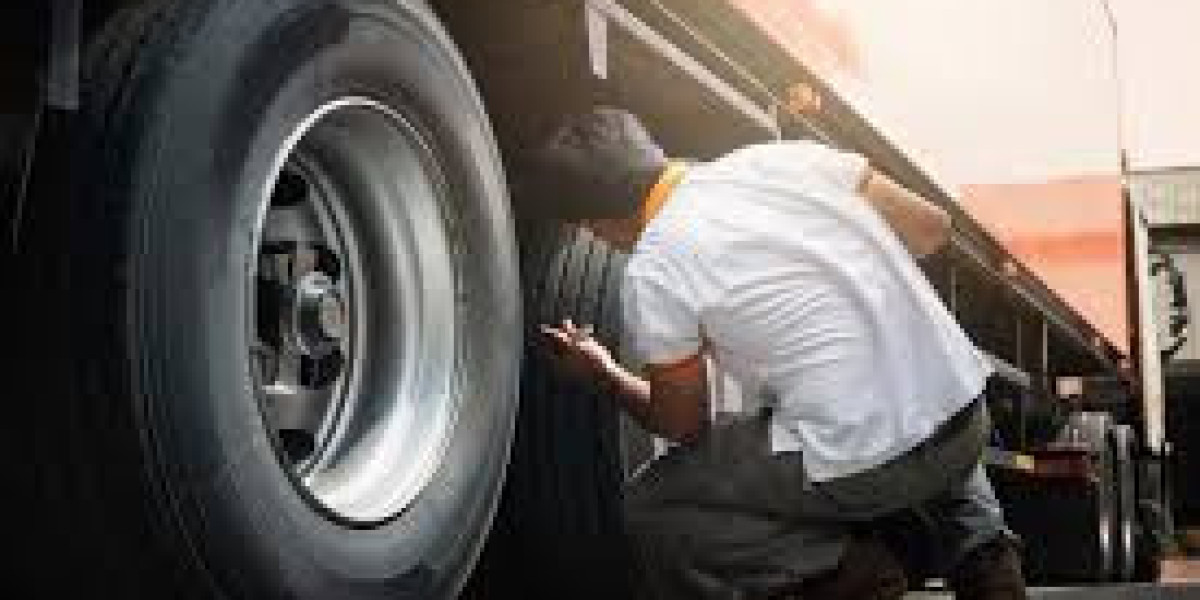

For fleet operators, downtime isn’t just a headache; it’s money lost. Seasonal changes bring unique challenges that can quickly take trailers out of service if left unchecked. In areas like Rome, staying ahead of weather- and season-related issues is critical for keeping schedules tight, drivers satisfied, and deliveries on time. That’s why smart operators rely on fleet maintenance Rome services to navigate these seasonal shifts without losing productivity.
Proper planning for seasonal maintenance not only protects trailers but also prevents costly emergency repairs that can disrupt your entire operation.
Understanding Seasonal Impacts on Trailers
Trailers face different stresses throughout the year. Temperature swings, moisture, and road conditions all contribute to wear and tear:
Winter: Cold weather can make brakes and air systems less responsive, while salt and ice accelerate corrosion.
Spring: Rain and rising temperatures can hide leaks and rust, causing long-term structural damage.
Summer: Heat can affect tires, suspension, and cooling systems, particularly on long hauls.
Fall: Falling debris and fluctuating temperatures create risks for tires, brakes, and lighting systems.
Recognizing these patterns helps operators schedule maintenance proactively instead of reacting to failures.
Common Seasonal Issues
1. Tires and Wheels
Tire performance varies with temperature. Cold weather stiffens rubber, making traction tricky, while hot pavement speeds wear. Seasonal inspections should include:
Tire pressure checks
Tread depth measurement
Looking for cracks or uneven wear
Verifying wheel torque
Ignoring tires can lead to blowouts or costly downtime on busy routes.
2. Brakes and Air Systems
Air brake lines and chambers react to moisture and temperature changes. Winter frost can freeze brake lines, while summer heat can cause expansion or leaks.
Seasonal brake checks should cover:
Inspecting air lines for leaks
Checking slack adjusters
Examining pads, drums, and shoes
Monitoring warning signs like longer stopping distances
Consistent checks keep both drivers and loads safe.
3. Electrical and Lighting
Moisture, condensation, and temperature swings can cause wiring corrosion or light failure. These issues often appear suddenly, leading to DOT violations or unsafe driving conditions.
Check all markers and brake lights
Inspect wiring for corrosion or fraying
Ensure battery terminals are clean and connections are tight
Reliable lighting ensures compliance and safety year-round.
4. Suspension and Frame
Seasonal changes stress suspension systems differently. Cold weather can stiffen bushings, while heat and humidity may accelerate rust on frames.
Inspect leaf springs, bushings, and shocks
Look for cracks or loose bolts
Check undercarriage for rust or damage
A strong suspension improves ride quality, reduces tire wear, and keeps trailers operational.
5. Cooling and Hydraulic Systems
Trailers with lift gates, refrigeration, or hydraulic systems are vulnerable to seasonal extremes. Cold can thicken fluids, while heat increases pressure and wear.
Check fluid levels and replace if needed
Inspect hoses, pumps, and fittings
Test operation under load
Neglecting these systems can mean unexpected stoppages, especially during peak delivery periods.
The Role of Preventive Maintenance
Preventive maintenance is more than routine checks; it’s a strategy to avoid downtime. For seasonal challenges:
Schedule inspections before each major season: This ensures trailers are ready for temperature and weather changes.
Address minor issues immediately: Small fixes today prevent big failures tomorrow.
Document maintenance: Keeping records makes compliance easier and helps spot recurring problems.
Operators who embrace preventive maintenance avoid the ripple effects of breakdowns, including driver delays, lost loads, and cash flow interruptions.
On-Site vs. Shop Repairs
Seasonal maintenance doesn’t always require hauling trailers to a shop. On-site services can handle most checks and repairs:
Brakes, air systems, and tires
Electrical inspections and wiring fixes
Suspension and frame assessments
Having a technician come to your yard reduces downtime, minimizes scheduling conflicts, and keeps drivers on the road. For busy fleets, this convenience can be a game-changer.
Tips for Efficient Seasonal Maintenance
Plan ahead: Identify high-risk systems for each season and schedule inspections early.
Train drivers: Have them report unusual noises, leaks, or warning signs promptly.
Use checklists: Standardize inspections to ensure nothing is overlooked.
Partner with reliable providers: Working with a mobile or local service ensures faster response times.
Track costs and results: Knowing what works lets you prioritize the most critical maintenance tasks next season.
These steps protect both equipment and operational efficiency.
Managing Back-Office Impact
Seasonal maintenance can strain small fleets with limited staff. On-site services help reduce back-office bottlenecks:
Fewer repair calls and dispatch adjustments
Less paperwork for downtime tracking
Faster approvals for minor fixes
Simplifying these processes keeps operations smooth and supports driver morale.
Competing With Larger Fleets
Smaller operators often face pressure from larger carriers with in-house maintenance teams. Seasonal maintenance planning helps level the field:
Minimizes unplanned downtime
Keeps delivery schedules predictable
Supports driver retention
Being proactive about trailer readiness ensures your fleet can compete on reliability and service, not just size.
Final Thoughts
Seasonal changes don’t have to mean chaos for your trailers or operations. By planning inspections, addressing minor issues quickly, and leveraging mobile services, fleets can reduce downtime and stay on schedule. For operators focused on uptime and efficiency, fleet maintenance solutions provide a practical, cost-effective way to keep trailers ready for every season.
If your fleet is serious about protecting schedules, drivers, and your bottom line, partnering with a provider that understands fleet maintenance Rome operators rely on ensures you’re ahead of breakdowns instead of reacting to them. Seasonal maintenance done right keeps trucks rolling and your operation profitable year-round.


