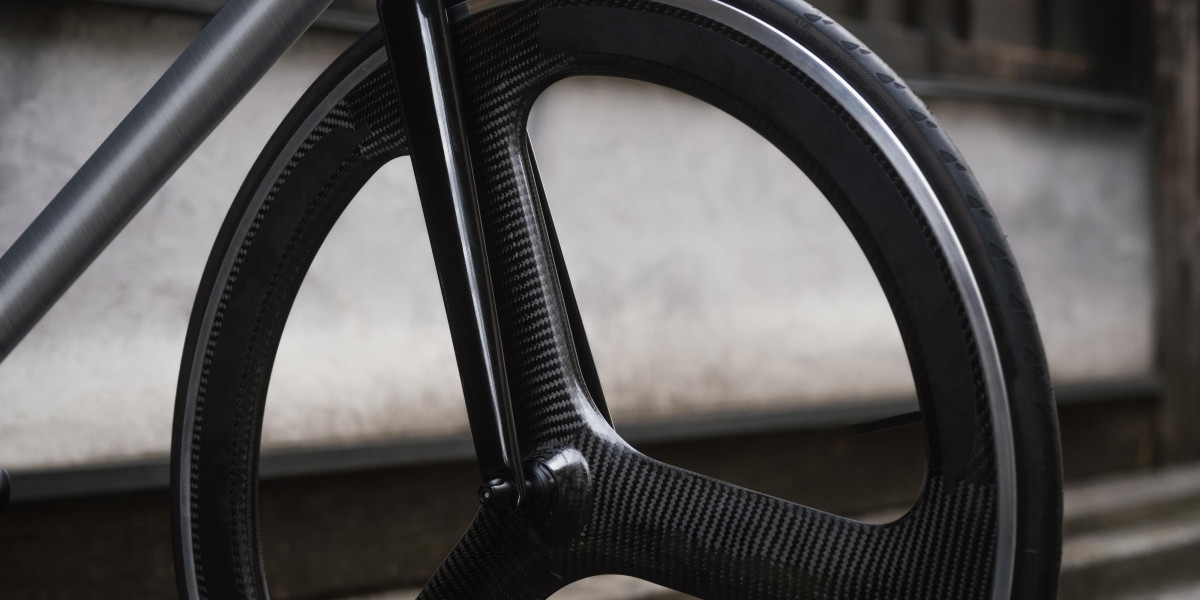

According to a new report published by Introspective Market Research, the Global Carbon Wheels Market by Vehicle Type, Rim Size, and Distribution Channel, valued at USD 800 Million in 2023, is projected to reach USD 2.07 Billion by 2032, growing at a robust CAGR of 10.0% from 2024 to 2032. This significant expansion is driven by the relentless pursuit of performance and efficiency in the automotive and cycling sectors, the premiumization of consumer vehicles, and the critical need for weight reduction in electric vehicles to maximize driving range.
Carbon Wheels are high-performance wheels manufactured using carbon fiber reinforced polymer (CFRP), a composite material known for its exceptional strength-to-weight ratio. These wheels offer transformative advantages over traditional aluminum alloy wheels, including a dramatic reduction in unsprung mass (weight not supported by the suspension), which leads to superior handling, acceleration, braking, and ride comfort. Their inherent design flexibility also allows for optimized aerodynamics, directly contributing to increased vehicle efficiency and speed, making them a coveted upgrade for performance enthusiasts and professional racing teams.
A Key Growth Driver: The Electric Vehicle Revolution and Range Optimization Imperative
A primary driver fueling the carbon wheels market is the global transition to electric vehicles (EVs) and the critical importance of maximizing driving range. Reducing vehicle weight is one of the most effective ways to improve an EV's efficiency and extend its range on a single charge. Carbon wheels, being significantly lighter than equivalent aluminum wheels, directly contribute to this goal by reducing unsprung mass and rotational inertia. For premium EV manufacturers, offering carbon wheels as an option or standard fitment provides a tangible performance and efficiency benefit that aligns with their high-tech brand image, creating a strong value proposition for consumers and driving integration deeper into the OEM supply chain.
A Key Market Opportunity: Expansion into the Premium SUV and Crossover Segment
A substantial and growing market opportunity lies in the development and adoption of carbon wheels for premium SUVs, crossovers, and high-performance utility vehicles. This segment represents a massive volume of high-margin vehicle sales globally. As these vehicles become more performance-oriented and electrified, the benefits of weight reduction for handling, efficiency, and braking performance become increasingly relevant. Developing carbon wheel designs that meet the higher load ratings, durability requirements, and aesthetic preferences of SUV buyers potentially in larger diameters like 22 or 23 inches opens a vast new addressable market beyond traditional sports cars, allowing manufacturers to scale production and reduce costs through higher volumes.
The Carbon Wheels Market is segmented on the basis of Vehicle Type, Rim Size, and Distribution Channel.
Vehicle Type
The Vehicle Type segment is further classified into Passenger Cars, Bicycles, Motorcycles, and Others. Among these, the Passenger Cars sub-segment accounted for the highest market share in 2023. This dominance is fueled by the high value per unit and growing adoption among luxury and high-performance automotive brands like Porsche, Ferrari, McLaren, and BMW (M Division). The automotive segment drives technological innovation in wheel design, aerodynamics, and manufacturing processes, and commands the highest average selling prices, making it the primary revenue generator for the market.
Distribution Channel
The Distribution Channel segment is further classified into OEM (Original Equipment Manufacturer) and Aftermarket. Among these, the Aftermarket sub-segment accounted for the highest market share in 2023, as enthusiasts and owners of performance vehicles have traditionally been the first to adopt this premium upgrade. However, the OEM sub-segment is projected to exhibit a higher CAGR during the forecast period. This shift is driven by car manufacturers increasingly offering carbon wheels as a factory option to enhance vehicle performance metrics, boost profitability through high-margin accessories, and differentiate their top-tier models directly from the showroom.
Some of The Leading/Active Market Players Are:
· Carbon Revolution (Australia)
· Dymag (UK)
· ESE Carbon (USA)
· Geric (Italy)
· HRE Performance Wheels (USA)
· Rotobox (Slovenia)
· Vossen Wheels (USA)
· Vorsteiner (USA)
· Washi Beam (Japan)
· Zipp (SRAM) (USA)
· ENVE Composites (USA)
· Roval (Specialized Bicycle Components) (USA)
· BBS (Germany)
· BST (South Africa)
· Marchisio Racing (Italy)
and other active players.
Key Industry Developments
News 1: Strategic OEM Partnership for High-Volume EV Program
In November 2024, Carbon Revolution announced a landmark multi-year supply agreement with a major German luxury automaker to provide lightweight carbon fiber wheels as standard equipment on a new flagship electric SUV model line starting in 2026.
This agreement is a watershed moment for the industry, demonstrating that carbon wheels have transitioned from a low-volume, aftermarket exotic component to a validated, series-production option for high-volume premium OEMs, significantly de-risking the business model for manufacturers.
News 2: Breakthrough in Automated Manufacturing Technology
In June 2024, a leading wheel manufacturer unveiled a new fully automated production line for carbon wheels, which dramatically reduces cycle time and labor costs. The technology focuses on precision and repeatability, aiming to bring down the cost premium over high-end forged aluminum wheels.
This innovation addresses a key barrier to broader adoption: cost. By improving manufacturing efficiency and scalability, it paves the way for carbon wheels to move further downmarket and become accessible on a wider range of performance-oriented vehicles.
Key Findings of the Study
· The Passenger Cars vehicle type segment and the Aftermarket distribution channel hold the largest market shares.
· North America and Europe are the dominant regional markets, driven by high concentrations of performance car owners and OEMs, while Asia-Pacific shows high growth potential.
· Key growth is driven by EV range optimization, performance automotive demand, and the cycling industry's pursuit of lightweight components.
· Major trends include increasing OEM adoption, development of larger-diameter wheels for SUVs, and advancements in automated manufacturing.
· The market features a mix of specialist carbon wheel manufacturers and established high-end alloy wheel brands expanding into composites.