
Gut health has become one of those topics people can’t stop talking about and for a good reason. Your gut isn’t just a digestion tube. It’s a whole ecosystem. Trillions of microbes live there, and they influence everything from how you digest food to how you respond to stress, inflammation, and even sleep quality.
But here’s the problem: gut health content online is full of half-truths, trendy claims, and supplement-heavy advice that skips the basics. Let’s break it down properly. What probiotics actually do, what prebiotics really mean, what your microbiome needs day to day, and which myths you should stop believing.
First, what is the microbiome?
Your gut microbiome is the community of bacteria, fungi, and other microbes living in your digestive tract. A balanced microbiome helps with:
Breaking down fiber and producing short-chain fatty acids (important for gut lining health)
Supporting immune function
Helping regulate bowel movements
Influencing nutrient absorption
Potentially impacting mood via the gut-brain connection
A “healthy gut” isn’t about having zero bloating or never feeling discomfort. It’s about resilience and balance.
Probiotics vs Prebiotics (people mix these up)
Probiotics: the live bacteria
Probiotics are live microorganisms found in fermented foods or supplements. They can help certain people in specific situations, such as:
antibiotic-associated diarrhea
some types of IBS symptoms
traveler’s diarrhea prevention (in some cases)
restoring gut balance after infection
But probiotics aren’t one-size-fits-all. Different strains do different things. The effect depends on the strain, dose, your gut baseline, and why you’re taking it.
Natural probiotic food sources:
Curd (dahi) with live cultures
Buttermilk
Fermented pickles (naturally fermented, not vinegar-only)
Idli/dosa batter (fermentation adds microbes)
Kimchi, sauerkraut, kombucha (if you consume these)
Food-based probiotics are often a smart first step because they come along with other nutrients and tend to be gentler.
Prebiotics: the food for your gut bacteria
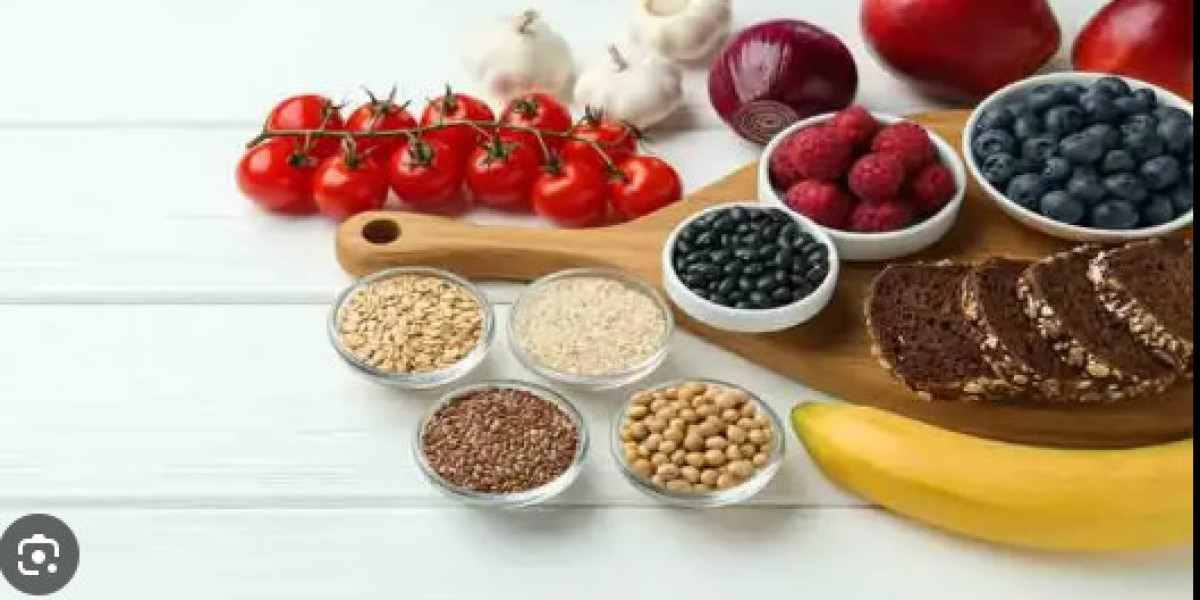
Prebiotics are fibers and compounds that your body doesn’t digest but your gut bacteria love. They feed beneficial microbes and help them produce compounds that keep the gut lining strong.
Prebiotic-rich foods:
Onion, garlic, leeks
Bananas (especially slightly unripe)
Oats
Apples
Flaxseeds
Legumes (chana, rajma, dal)
Whole wheat
Cooked and cooled rice/potatoes (more on that soon)
Here’s the key: If probiotics add bacteria, prebiotics help them stay and thrive. Most people focus on probiotics while ignoring prebiotics. That’s like buying a pet and forgetting to feed it.
The most useful gut health habit nobody wants to hear: fiber
If you’re doing one thing for your microbiome, make it this: increase fiber gradually and consistently.
Fiber is the main tool that shapes microbiome diversity. It’s not glamorous, but it works.
A practical approach:
Add one extra fruit daily
Add one bowl of salad or sautéed vegetables
Add one legume-based meal 3–4 times a week
Choose oats or whole grains more often
If you jump from low fiber to high fiber overnight, you might feel gassy. That’s not your gut “rejecting fiber.” It’s just your microbes adjusting. Increase slowly, drink enough water, and keep going.
Microbiome myths you should stop believing
Myth 1: You need a probiotic supplement forever
Reality: Many people can improve gut health through food, fiber, and lifestyle first. Supplements can be helpful in specific cases, but they’re not mandatory. Also, some people feel worse on certain probiotic strains.
Myth 2: “Detox teas” clean your gut
Reality: Your liver and kidneys handle detoxification. Most detox teas just act like laxatives. Frequent use can irritate your gut, worsen dehydration, and create dependency.
Myth 3: More probiotics means better gut health
Reality: Not always. Too many fermented foods or high-dose probiotics can cause bloating in sensitive individuals. Balance beats overload.
Myth 4: Gut health is only about digestion
Reality: Your microbiome interacts with immune function, inflammation, skin health, and mental well-being through the gut-brain axis. Digestion is just the obvious part.
Myth 5: One “superfood” will fix your gut
Reality: A diverse diet fixes your gut more effectively than any single ingredient. Microbes like variety.
The underrated hero: resistant starch
Resistant starch is a type of carbohydrate that “resists” digestion and becomes food for gut bacteria. It can support healthy microbial activity and bowel regularity.
Simple sources:
Cooked and cooled rice
Cooked and cooled potatoes
Slightly green bananas
Oats
Lentils
A simple way to use this: cook rice at night, cool it, and use it the next day in a bowl or stir-fry. Same with potatoes. This small habit can make your meals more gut-friendly without changing what you eat.
A simple gut-friendly daily template
If your gut feels unpredictable, try this structure for 2 weeks:
Morning
Warm water
Breakfast with fiber + protein (oats + nuts, moong chilla, upma with veggies)
Lunch
Dal/rajma/chole + rice/roti + salad + curd
Snack
Fruit + roasted chana / nuts
Or buttermilk + makhana
Dinner
Lighter meal with vegetables + protein (soup + paneer, khichdi with veggies, stir-fry bowl)


