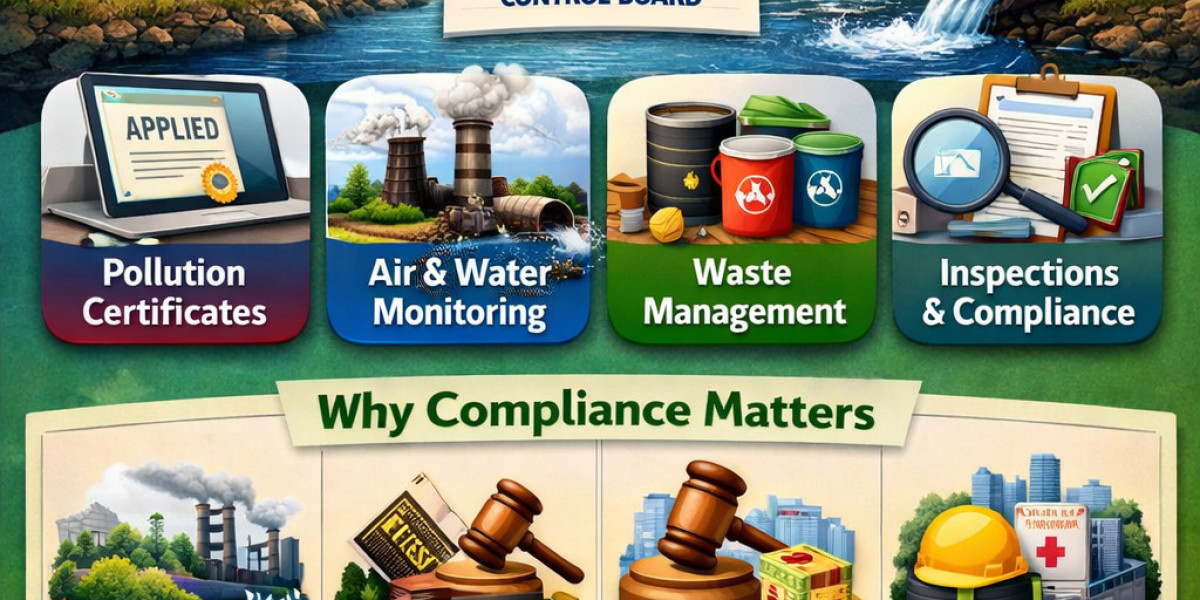

WBPCB Full Form:
The WBPCB, or West Bengal Pollution Control Board, is legally empowered to check, control, or reduce pollution in the state of West Bengal. The Acts that this organization implements include The Water (Prevention and Control of Pollution) Act of 1974, The Air (Prevention and Control of Pollution) Act of 1981, and The Environment (Protection) Act of 1986.
The West Bengal Pollution Control Board makes sure that all the industries, businesses, and infrastructure perform in a manner defined by environmental standards. An industry, if running without permission from the WBPCB, is considered violative.
Why Was the West Bengal Pollution Control Board Established?
With the rapid growth of industries in West Bengal, the state experienced various environmental hazards like air pollution, water pollution, and the generation of hazardous waste. For the balanced development of the state’s economy as well as the protection of the environment, the West Bengal Pollution Control Board was formed for:
Control industrial emissions & effluents
Comply with environmental law
Issuance of certifications related
Monitoring compliance through inspections and reports
iveshibit
Main Roles and Functions of WBPCB
1. Issuing Pollution Certificates
One of the key functions performed by WBPCB is online emission certificate issuance in West Bengal, which includes:
Consent to Establish(previously “No Ob
Consent to Operate (CTO)
These certificates are required before commencing operations in any industry.
2. Air, Water, and Noise Pollution Conservation
WBPCB monitors
Industrial emissions
Discharge of effluent in water bodies
This topic pertains to the
Noise pollution in the commercial and/or industrial areas
If these standards are not met, there can be reprisals or even closure.
3. Authorized Waste Management
"The pollution control board West Bengal regulates:
· All industries
Hazardous waste
Plastic garbage
E-w
Biomedical Waste
Industries need to acquire individual approvals based on waste categories.
4. Environmental Inspections and Compliance
WBPCB carries
Routine inspections
Surprise audits
Document Verification
Non-compliance may result in the following
Heavy fines
Legal Notices
Suspension of Operations
Powers of WBPCB
The powers of the West Bengal Pollution Control Board are extensive and include:
Ordering the closure of non-compliant facilities
Disconnecting electric or water supply
Issuance of environmental compensation
Filing legal cases
These provisions ensure that the compliance with the WBPCB rules is obligatory for all
Who requires WBPCB approval?
WBPCB Certification is necessary in the following cases:
Manfacturing units
Factories & MSMEs
Hotels and restaurants
Hospitals & Clinics
Construction projects
Construction
Warehouses & processing units
Even small businesses can need a pollution certificate online in West Bengal, based upon categories of pollutants.
Classification of Pollution According to WBPCB
Industries are classified into:
Red Category – High pollution (Chemical plants, Large factories)
Orange Category – Moderate pollution
Green Category – Low Pollution
White Category - Negligible pollution (often exempted)
The category defines documentation, charges, as well as the time for approval.Applying Online for a Pollution Certificate in West Bengal
WBPCB offers an online portal to fill the application. The common steps are:
Online Registration on WBPCB portal
Choosing the right industry categories
Case:
Uploading the documents (ID, site plan, process description)
Payment of government fees
Inspection (if Required)
The
Certificate issuance
Proper application is the key, as improper application can lead to rejection or delay.
Importance of Industries Adhering to WBPCB Norms
Non-compliance with WBPCB rules may result in:
Legal Prosecution
Business shutdown
Loss of investor trust
Ineligibility for loans or tenders
Conversely, the benefits of WBPCB compliant companies are:
Smooth operations
In
Legal safety
Improved brand reputation
Easier approval from the government
WBPCB Compliance: A Business Requirement, Not a Choice
In the current regulatory system, WBPCB is mandatory for survival in West Bengal. Regardless of whether you are setting up a new unit or renewing your already-existing license, adherence to the norms set by the WBPCB board safeguards your business, as well as the environment.