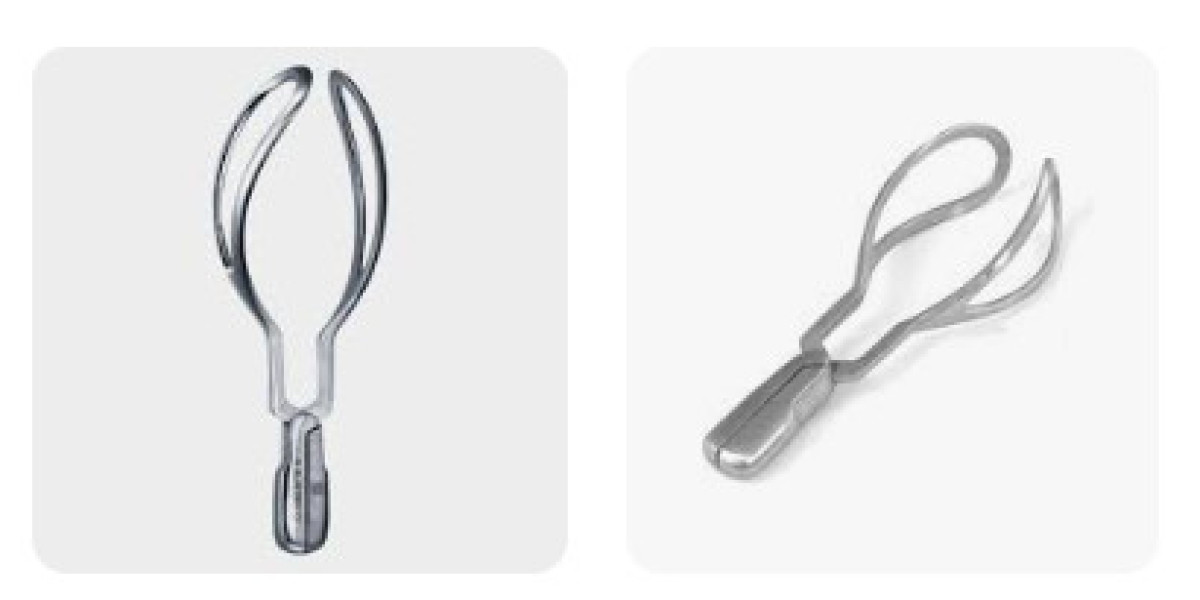

Obstetrical forceps are specialized medical instruments used during childbirth to assist in the delivery of a baby when complications arise in the second stage of labor. Designed to gently guide the baby’s head through the birth canal, forceps help reduce maternal and fetal risks when used by trained healthcare professionals.
What Are Obstetrical Forceps?
Obstetrical forceps are curved, tong-like instruments made of high-grade surgical stainless steel. Each forceps consists of two blades designed to fit around the baby’s head, a lock to join the blades, and handles for controlled traction.
They are used only when vaginal delivery is deemed safe but requires assistance due to prolonged labor, maternal exhaustion, or fetal distress.
Common Indications for Forceps Delivery
Obstetrical forceps may be used when:
Labor is prolonged in the second stage
The mother is unable to push effectively
Fetal heart rate patterns indicate distress
The baby’s head is in a favorable position but delivery is delayed
Medical conditions require shortening the pushing phase
Types of Obstetrical Forceps
Different forceps are designed for specific clinical situations:
Simpson Forceps – Used for elongated fetal heads
Elliot Forceps – Suitable for rounder fetal heads
Kielland Forceps – Used for rotational deliveries
Wrigley Forceps – Short forceps for low or outlet deliveries
Piper Forceps – Designed for breech deliveries
Each type ensures precision, safety, and controlled traction.
Material and Design Features
High-quality obstetrical forceps are:
Made from medical-grade stainless steel
Rust-resistant and corrosion-free
Autoclavable and reusable
Ergonomically designed for firm grip and control
Smooth-finished to reduce tissue trauma
Benefits of Using Obstetrical Forceps
✔ Assists vaginal delivery safely
✔ Reduces need for emergency cesarean sections
✔ Enables controlled delivery in fetal distress
✔ Preserves maternal pushing energy
✔ Time-efficient in critical situations
Risks and Considerations
When improperly used, forceps can cause complications such as maternal tissue injury or neonatal bruising. Therefore, forceps delivery should only be performed by skilled obstetricians with proper training and experience.
Conclusion
Obstetrical forceps remain an essential tool in modern obstetrics when used appropriately and skillfully. With correct patient selection and expert handling, forceps-assisted delivery can be a safe and effective alternative to surgical intervention, ensuring optimal outcomes for both mother and baby.