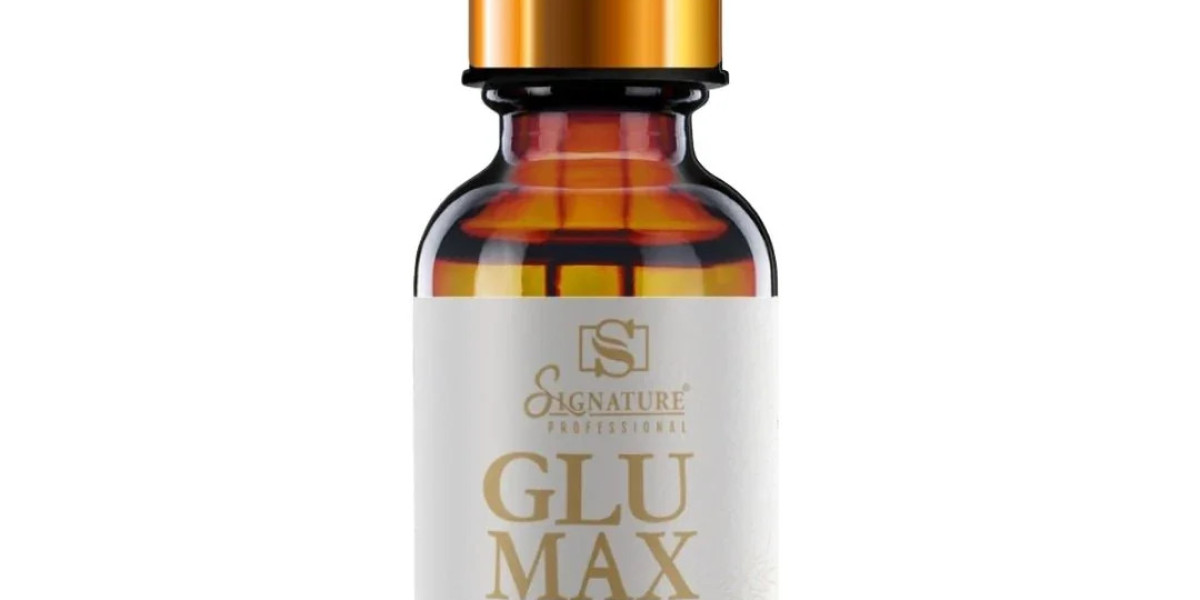

When it comes to skincare, two of the most commonly discussed products are face serums and moisturizers. Both are vital for maintaining healthy, glowing skin, but they serve very different purposes. Understanding the differences between them can help you choose the right products for your skin type and concerns, and ensure you get the maximum benefits from your skincare routine.
What Is a Face Serum?
A face serum is a lightweight skincare product designed to deliver a high concentration of active ingredients directly to the skin. Unlike moisturizers, serums have smaller molecules, which allows them to penetrate deeper into the skin layers.
Face serums are primarily used to target specific skin concerns, such as:
Fine lines and wrinkles
Dark spots and pigmentation
Acne and blemishes
Dryness or dull skin
The formula of a serum is usually water-based or oil-based, and it absorbs quickly without leaving a greasy residue. This makes it an ideal product for layering under other skincare products.
What Is a Moisturizer?
On the other hand, a moisturizer is a thicker, creamier product that primarily focuses on hydrating the skin and forming a protective barrier. Its main purpose is to prevent water loss from the skin and maintain overall skin health.
Moisturizers work best on the surface layer of the skin. While they can contain active ingredients like vitamins or antioxidants, they are generally less concentrated than serums. Moisturizers are essential for all skin types, especially dry or sensitive skin, as they help lock in hydration and protect against environmental damage.
Key Differences Between Face Serum and Moisturizer
Here are the main differences that make serums and moisturizers unique:
Feature | Face Serum | Moisturizer |
Purpose | Targets specific skin concerns | Hydrates and protects skin |
Texture | Lightweight, often gel or liquid | Thick, creamy, or lotion-like |
Molecule Size | Small, penetrates deeper layers | Larger, works on skin surface |
Concentration | High concentration of active ingredients | Lower concentration, more gentle |
Absorption | Quickly absorbed, non-greasy | Absorbs slower, may leave a protective layer |
Use in Routine | Applied before moisturizer | Applied after serum to lock in hydration |
How Face Serum Works
Face serums are designed to deliver ingredients that address specific skin concerns at a cellular level. Ingredients like hyaluronic acid boost hydration by attracting moisture into the skin. Vitamin C brightens the complexion and reduces pigmentation, while retinol encourages cell turnover to fight signs of aging.
By penetrating deeper than a moisturizer, serums can provide more visible and faster results for concerns like fine lines, uneven tone, and acne scars.
How Moisturizer Works
Moisturizers work primarily by sealing in moisture and creating a protective layer on the skin’s surface. They prevent trans-epidermal water loss (TEWL), keeping the skin soft, smooth, and supple.
Even if a serum is applied underneath, a moisturizer is essential to ensure that the hydration and nutrients stay locked in. Without moisturizer, the benefits of a serum may not be fully realized, especially for dry or sensitive skin.
Can You Use Both Together?
Yes! In fact, using a face serum and moisturizer together is highly recommended for a complete skincare routine. The general guideline is:
Cleanse your skin.
Apply a toner if used.
Apply 2–3 drops of face serum and gently pat it into the skin.
Follow with a moisturizer to lock in hydration and protect the skin barrier.
Using both ensures that your skin receives targeted treatment from the serum and long-lasting hydration from the moisturizer.
Choosing the Right Product
Selecting the right product depends on your skin type and concerns:
Oily Skin: Lightweight, non-comedogenic serums with hyaluronic acid work best. Gel-based moisturizers are ideal.
Dry Skin: Richer serums with hydrating ingredients like glycerin or ceramides, paired with thicker moisturizers, provide better results.
Sensitive Skin: Choose serums and moisturizers free from harsh chemicals, fragrances, or alcohol.
Brands like Signature Professional offer formulations that cater to different skin types, combining science-backed ingredients with safe, effective formulas.
Common Misconceptions
Serums are only for older skin: False. Serums can be used by all age groups depending on the concern, such as hydration or acne.
Moisturizers are unnecessary for oily skin: False. Even oily skin needs hydration; using a light moisturizer prevents excess oil production.
Serums can replace moisturizers: False. Serums are treatment products, not substitutes for daily hydration and protection.
Conclusion
Understanding the differences between face serums and moisturizers is crucial for building an effective skincare routine. While face serums deliver concentrated ingredients to address specific skin concerns, moisturizers ensure that your skin stays hydrated, protected, and healthy. For the best results, combining both in your daily routine is highly recommended. Choosing high-quality products from trusted brands like Signature Professional guarantees safety and effectiveness. If you are looking for skincare solutions that truly make a difference, investing in the Best Face Serum in Pakistan can help you achieve radiant, youthful, and well-nourished skin.