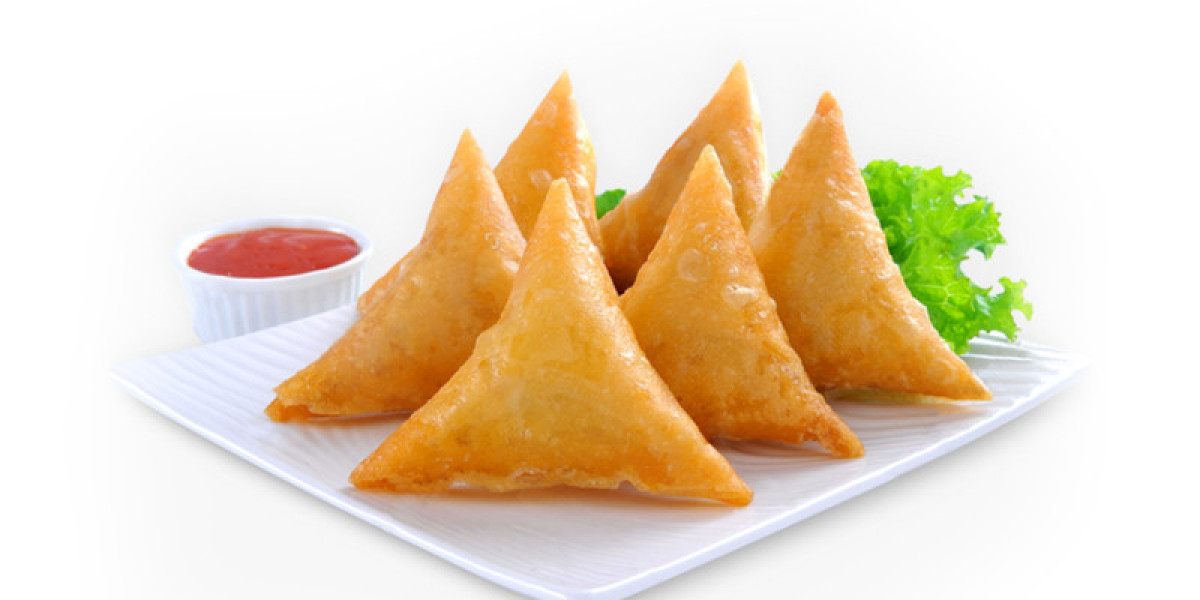

Chicken malai samosa has become increasingly popular due to its creamy filling and mild, comforting flavor. As more people turn to frozen and ready-to-cook snacks for convenience, questions about health and nutrition naturally arise. Is chicken malai samosa a healthy choice, or is it simply an indulgent treat? Understanding its ingredients, nutritional value, and preparation methods can help consumers make informed decisions.
What Goes Into Chicken Malai Samosa?
The health impact of any food begins with its ingredients. Chicken malai samosa typically contains boneless chicken, fresh cream (malai), butter or mayonnaise, mild seasonings, and a refined flour wrapper. Chicken provides protein, which is essential for muscle repair and overall body function. The malai-based filling adds richness and flavor but also contributes fat and calories.
Unlike traditional chicken samosas that rely heavily on spices, chicken malai samosas use gentler seasoning. This makes them easier on the stomach for people sensitive to spicy foods, but it also means their nutritional profile leans more toward richness than spice-based antioxidants.
Protein Content and Its Benefits
One positive aspect of chicken malai samosa is its protein content. Chicken is a high-quality source of protein, helping support muscle growth, satiety, and energy levels. Including protein-rich foods in snacks can reduce overeating later in the day by keeping hunger in check.
However, the amount of protein per samosa depends on portion size and filling ratio. While it does offer nutritional value, it should not be considered a primary protein source in a balanced diet.
Fat and Calorie Considerations
The creamy nature of chicken malai samosa comes from dairy-based ingredients such as cream and butter. These add flavor but also increase fat content, particularly saturated fat. Additionally, if the samosa is deep-fried, it absorbs oil, further increasing calorie density.
This does not mean chicken malai samosa is unhealthy by default. Instead, it highlights the importance of moderation. Enjoying it occasionally rather than daily helps maintain a balanced diet without eliminating enjoyable foods.
Impact of Cooking Methods
How chicken malai samosa is prepared significantly affects its health value. Traditional deep frying creates a crisp texture but adds extra oil and calories. Health-conscious consumers often opt for baking or air frying, which reduces oil usage while maintaining a satisfying crunch.
Frozen versions of chicken malai samosa are especially suitable for air frying, making them a more balanced snack option for those managing calorie intake.
Sodium and Additives
Another factor to consider is sodium content. Ready-to-cook snacks may contain added salt for flavor and preservation. Excess sodium can contribute to water retention and increased blood pressure if consumed frequently.
Reputable brands focus on balanced seasoning and controlled sodium levels. Orange Food Expert, for example, emphasizes quality ingredients and responsible flavoring, making their products suitable for occasional consumption within a healthy lifestyle.
Portion Control and Frequency
Health is not determined by a single food item but by overall eating patterns. Chicken malai samosa can fit into a healthy diet when consumed in appropriate portions. Eating one or two pieces alongside fresh vegetables, salad, or yogurt-based dips can help balance the meal.
Pairing rich snacks with lighter sides reduces the overall calorie load and enhances nutritional variety.
Frozen Chicken Malai Samosa and Health
Frozen snacks often raise concerns about preservatives and freshness. However, modern freezing techniques preserve food quality without the need for excessive additives. Frozen chicken malai samosas are typically flash-frozen to lock in flavor and texture.
Brands like Orange Food Expert maintain hygiene standards and quality checks throughout production, ensuring consumers receive a safe and consistent product. When prepared correctly, frozen samosas can be just as enjoyable as freshly made ones.
Is It Suitable for Everyone?
Chicken malai samosa is generally suitable for most people, but those with dietary restrictions should be mindful. Individuals managing cholesterol levels, weight, or lactose intolerance may need to limit consumption due to its dairy content.
For children, elders, and those who prefer mild flavors, chicken malai samosa can be a gentler alternative to spicy snacks.
Conclusion
Chicken malai samosa is neither a healthy food nor an unhealthy indulgence; it falls somewhere in between. Its protein-rich chicken filling offers nutritional benefits, while its creamy ingredients and cooking method add calories and fat. When enjoyed in moderation and prepared using healthier methods like air frying, it can be part of a balanced lifestyle. Trusted brands such as Orange Food Expert help ensure quality and consistency in frozen options. Choosing chicken malai samosa frozen allows consumers to enjoy a flavorful snack with convenience while staying mindful of portion size and overall dietary balance.