
Sports and physical activities play a vital role in maintaining overall health, improving cardiovascular fitness, building strength, and enhancing mental well-being. However, along with these benefits come the risk of sports-related injuries, which can range from minor muscle strains to severe ligament tears and fractures. Many of these injuries are preventable when athletes and active individuals seek proper orthopedic guidance before, during, and after engaging in sports. Understanding how orthopedic care contributes to injury prevention is essential for long-term physical health and sustained performance.
Understanding Sports Injuries and Their Causes
Sports injuries often occur due to overuse, improper technique, inadequate warm-up, poor conditioning, or using the wrong equipment. Common injuries include sprains, strains, tendonitis, stress fractures, dislocations, and cartilage damage. High-impact sports such as football, basketball, cricket, and running place significant stress on joints, muscles, and bones, making orthopedic health a critical factor in injury prevention.
Without proper assessment and guidance, small biomechanical issues such as muscle imbalances or joint misalignment can gradually lead to chronic pain or acute injuries. Orthopedic specialists focus on the musculoskeletal system and are uniquely equipped to identify these risks early.
The Role of Orthopedic Specialists in Injury Prevention
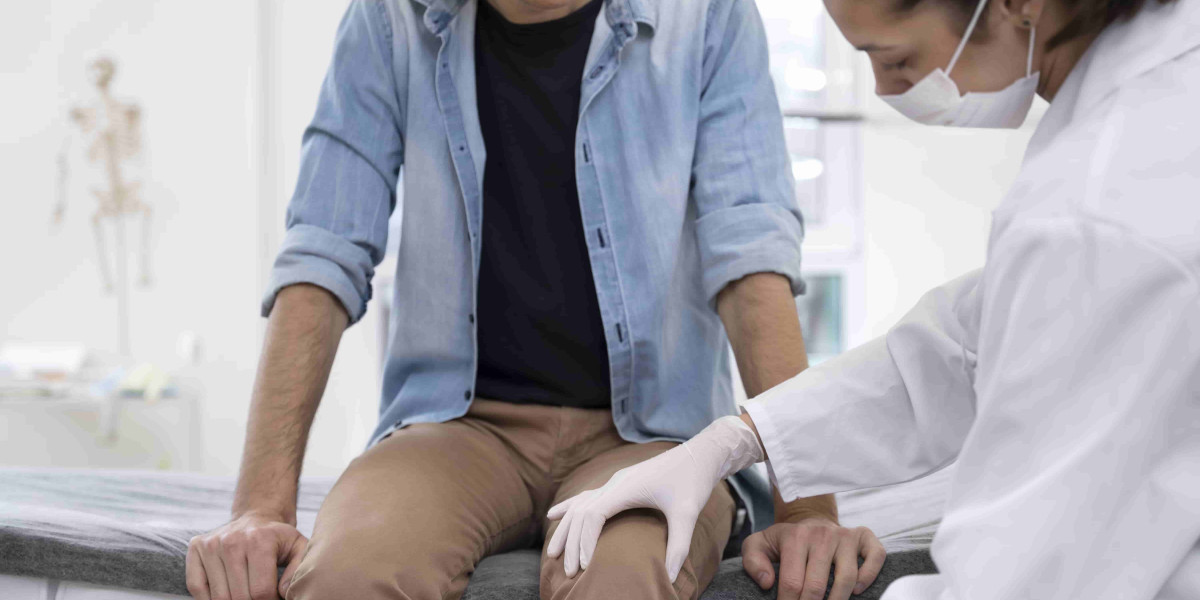
Orthopedic guidance goes beyond treating injuries after they occur. It emphasizes prevention through evaluation, education, and personalized care. An orthopedic specialist assesses joint stability, muscle strength, flexibility, posture, and movement patterns to determine injury risks specific to an individual’s sport or activity level.
By identifying weaknesses or improper mechanics early, orthopedic professionals can recommend corrective measures before they result in injury. This proactive approach is especially valuable for athletes who train frequently or participate in competitive sports.
Importance of Pre-Participation Orthopedic Assessments
A pre-participation orthopedic assessment is one of the most effective ways to prevent sports injuries. These evaluations help determine whether the body is physically prepared for a specific sport. They include assessments of joint range of motion, muscle balance, previous injuries, and overall physical readiness.
For young athletes, such screenings are crucial as growing bones and developing muscles are more vulnerable to stress-related injuries. For adults, especially those returning to sports after a long break, orthopedic evaluations help reduce the risk of sudden injuries caused by deconditioning.
Proper Training Techniques and Biomechanics
One of the leading causes of sports injuries is improper technique. Orthopedic guidance helps athletes understand correct body mechanics, posture, and movement patterns. For example, incorrect running form can place excessive stress on the knees and ankles, while improper lifting techniques can lead to back and shoulder injuries.
Orthopedic specialists often collaborate with physiotherapists and trainers to design training programs that focus on proper alignment, balanced muscle development, and safe progression in intensity. This structured approach minimizes strain on vulnerable areas and improves overall performance.
Injury Prevention Through Strength and Flexibility
Muscle strength and flexibility are essential components of injury prevention. Weak muscles fail to support joints adequately, while tight muscles restrict movement and increase injury risk. Orthopedic guidance helps identify areas that require strengthening or stretching based on individual needs.
Customized exercise programs target specific muscle groups to enhance joint stability and mobility. For instance, strengthening the quadriceps and hamstrings helps protect the knee joint, while core strengthening reduces the risk of lower back injuries. Regular monitoring ensures exercises are performed safely and effectively.
Managing Overuse and Recovery
Overuse injuries develop gradually due to repetitive stress without sufficient recovery time. Conditions such as tendonitis, stress fractures, and shin splints are common among athletes who train excessively without proper rest.
Orthopedic specialists emphasize the importance of recovery, rest periods, and load management. They guide athletes on recognizing early warning signs like persistent pain, swelling, or reduced range of motion. Timely intervention prevents minor issues from progressing into severe injuries that require prolonged treatment.
Protective Equipment and Injury Prevention
Using appropriate protective gear is another critical aspect of preventing sports injuries. Orthopedic guidance helps athletes choose equipment that provides adequate support and fits appropriately. This includes braces, footwear, orthotics, helmets, and padding.
For individuals with previous injuries or joint instability, orthopedic specialists may recommend customized supports to reduce strain and improve safety during physical activity.
Long-Term Benefits of Orthopedic Guidance
Consistent orthopedic guidance not only reduces injury risk but also promotes long-term joint health. It helps athletes maintain mobility, prevent degenerative conditions, and extend their active years. Whether someone is a professional athlete, a fitness enthusiast, or a recreational sports participant, orthopedic care supports sustainable and pain-free participation in physical activities.
Conclusion
Preventing sports injuries requires more than just physical fitness it demands proper assessment, education, and expert guidance. Orthopedic specialists play a crucial role in identifying risks, improving biomechanics, enhancing strength and flexibility, and ensuring safe recovery practices. By prioritizing orthopedic guidance, athletes can enjoy better performance, fewer injuries, and long-term musculoskeletal health. Platforms like Instacare.pk make it easier to access a qualified orthopedic surgeon in lahore, enabling individuals to take proactive steps toward safer and more sustainable sports participation.