
Clutch Slipping, Grinding Noise, and Hard Shifting — What’s Really Failing Inside Your Vehicle
Few driving problems are more stressful than pressing the clutch and realizing something doesn’t feel right. The pedal feels stiff, gears grind, or the clutch slips when accelerating. Repairs become frequent, and costs keep rising.
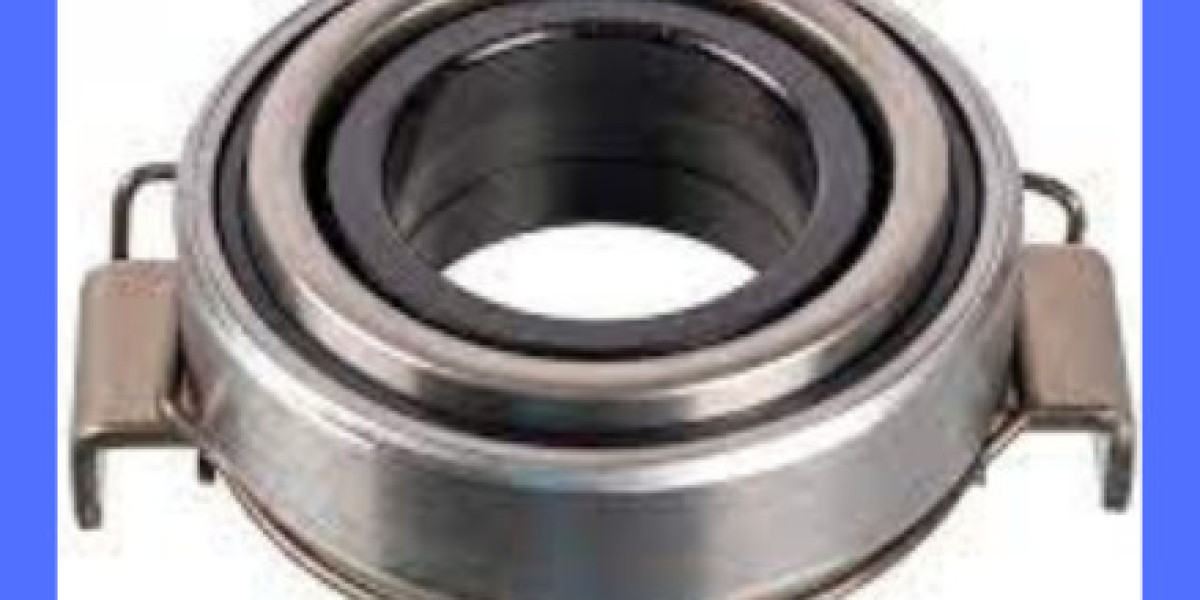
In most cases, the hidden culprit is not the clutch plate itself — it’s the clutch release bearing quietly wearing down over time.
When this component fails, friction increases, heat builds up, and the transmission starts suffering permanent damage. Ignoring it only makes repairs more expensive later.
What Does a Clutch Release Bearing Actually Do?
The clutch system depends on precise movement. The clutch release bearing plays a key role in that movement.
Its job is to:
Reduce friction between the pressure plate and clutch fork
Allow smooth engagement and disengagement
Prevent noise and vibration during shifting
Protect the transmission from unnecessary stress
When the bearing rotates smoothly, shifting is quiet, responsive, and easy. When it doesn’t, the whole system struggles.
Warning Signs Your Clutch Release Bearing Is Failing
Most drivers recognize symptoms too late — after damage has already spread.
Common warning signs include:
Squealing or grinding noise when pressing the clutch
Vibration or pulsation through the pedal
Hard or sticky gear shifting
Burning smell from overheating components
Slipping clutch during acceleration
Left untreated, a worn bearing can damage the clutch disc, pressure plate, and even the transmission itself.
Why Quality Matters More Than Price
Choosing the cheapest replacement is tempting — but low-grade parts wear out quickly and create even bigger problems.
A high-quality clutch release bearing offers:
Heat-resistant materials
Smooth rotation under pressure
Strong load-carrying capability
Long-lasting lubrication
Reduced noise and vibration
Better components protect the entire clutch assembly, reducing repair frequency and long-term maintenance costs.
Where Strong Clutch Bearings Make the Biggest Difference
Reliable bearings matter wherever vehicles face continuous use, heavy loads, or frequent stop-and-go driving:
Passenger cars and SUVs
Commercial vehicles and delivery fleets
Agricultural machinery
Construction and off-road vehicles
Consistent performance helps drivers feel more control — and keeps vehicles on the road instead of in the workshop.
Tips to Extend Clutch and Bearing Life
Even with a durable bearing, proper habits matter:
Avoid riding the clutch pedal
Shift smoothly without excessive force
Fix oil leaks that contaminate clutch components
Replace the bearing whenever replacing the clutch
Use quality replacement parts instead of unknown brands
Small changes protect your transmission and save money over time.
Final Thoughts
If your clutch feels rough, noisy, or unresponsive, the problem may not be a full transmission failure — it may simply be the bearing. Replacing a failing clutch release bearing early prevents expensive damage and restores smooth, confident shifting.
Invest in reliability now, instead of paying for major repairs later.


