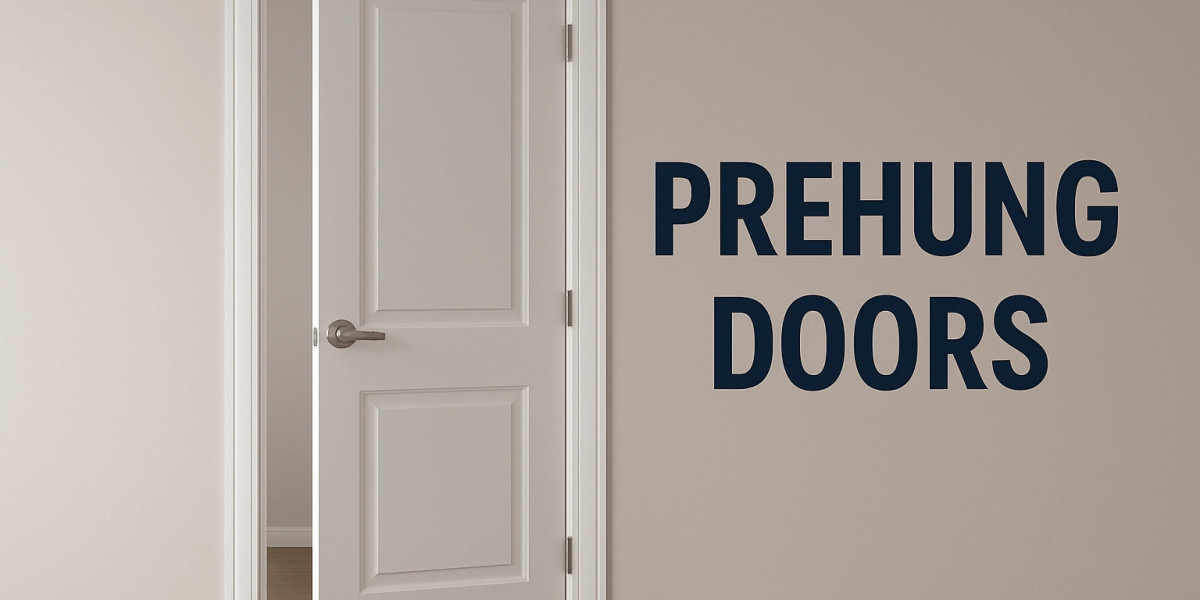

In the dynamic landscape of Canadian home renovation and construction, efficiency, durability, and performance are not mere luxuries—they are necessities dictated by our climate and lifestyle. For homeowners, builders, and contractors across the nation, from the coastal dampness of Vancouver to the frost-laden winters of Winnipeg and the humid summers of Toronto, the choice of entry points—the doors—is critical. Enter the prehung doors, a product that has revolutionized installation standards and become a cornerstone of modern Canadian building practices. This comprehensive guide delves into why prehung doors are a smart, strategic choice for the Canadian market, addressing key considerations from energy efficiency to frost heave.
What Exactly is a Prehung Door?
First, let’s demystify the term. Unlike a traditional "slab" door (a single, plain door without any hardware), a prehung door system is a complete, factory-assembled unit. It arrives ready for installation and includes:
The Door Slab: Already sized, sanded, and often pre-machined for locksets.
The Frame (Jamb): The surrounding structure, typically made of wood, composite, or steel, with hinge mortises precisely routed.
The Hinges: Hinges are already attached, aligning the door perfectly within the frame.
The Weatherstripping: Integrated into the jamb to create an immediate seal against drafts, moisture, and insects.
The Threshold (for exterior doors): A critical component for sealing the bottom gap.
This all-in-one package is designed for a streamlined, precise, and faster installation process compared to the complex, multi-step task of fitting a slab door into a custom-built, on-site frame—a process known as "hanging a door."
Why Prehung Doors Dominate the Canadian Market: Key Advantages
1. Superior Weatherproofing and Energy Efficiency
Canada’s extreme weather makes this the paramount advantage. Prehung doors are factory-engineered with integrated, high-quality weatherstripping systems. The door is aligned perfectly within its jamb during manufacturing, ensuring a consistent, airtight seal that is incredibly difficult to achieve with a site-hung slab door. This seal is the first line of defense against:
Heat Loss: Preventing costly heated air from escaping in winter.
Cold Drafts: Eliminating uncomfortable chills and uneven temperatures.
Moisture Infiltration: Keeping driving rain, snowmelt, and humidity from warping wood or causing mold.
For Canadians, this translates directly into lower heating bills (addressing some of the highest energy costs in the country), increased home comfort, and compliance with building codes that increasingly emphasize airtightness and thermal performance.
2. Simplified, Faster, and More Consistent Installation
Time is money, especially in Canada’s short, intense construction seasons. Installing a prehung door is a task a competent DIYer or professional can complete in a few hours, versus a full day or more for crafting and hanging a slab door. The process primarily involves:
Setting the unit into the rough opening.
Plumbing and shimming the frame to be perfectly level and square.
Securing it through the pre-drilled jamb.
Installing the lockset and trim.
This reduces labour costs for contractors and makes ambitious DIY renovation projects—a popular pastime for Canadian homeowners—more accessible and less prone to error.
3. Enhanced Security and Structural Integrity
The factory assembly ensures that the strike plate for the deadbolt or latch is perfectly aligned with the door. A misaligned strike plate is a common weak point in security for poorly hung slab doors. The reinforced jambs on many prehung exterior units also provide a stronger anchor point for locks, deterring forced entry. The entire unit is inherently more robust, resisting warping and sagging better than a piecemeal installation.
4. Wide Selection for Style and Material
The Canadian market offers an immense variety of prehung doors to suit any architectural style, from classic Victorian homes in Halifax to modern condos in Calgary. Key material choices include:
Steel: The top choice for exterior doors in Canada. Steel doors, often filled with high-density polyurethane foam, offer exceptional durability, security, and thermal efficiency (with R-values up to R-21). Modern finishes convincingly mimic wood grain.
Fiberglass: Another premier exterior option. Fiberglass resists dents, scratches, and weathering brilliantly. It can be stamped with incredibly realistic wood textures and stained or painted, offering the beauty of wood with far less maintenance—ideal for Canada’s freeze-thaw cycles and UV exposure.
Wood: Prized for its authentic, high-end aesthetic. Prehung wood doors (often solid core) are common for elegant interior applications and some exterior uses where historical authenticity is key. They require more maintenance (staining, sealing) to withstand Canadian elements.
Composite/MDF: Primarily for interiors, offering stability, affordability, and a perfectly smooth surface for paint.
Critical Considerations for Canadian Buyers
Navigating the purchase of a prehung door in Canada requires attention to a few unique factors:
Climate Zone and Energy Ratings: Look for doors certified by the Canadian Fenestration Rating Council (CFRC) or bearing an Energy Star® label for Canada. These ratings provide reliable U-factor (insulation) and air leakage metrics. For most of Canada, a low U-factor and an air leakage rating of ≤ 0.3 cfm/ft² are recommended.
Right-Hand vs. Left-Hand: Determine the "hand" of your door correctly. In Canada, the standard method is to stand outside the door (for exterior doors) or on the side where the door opens away from you (for interiors). Observe which side the hinges are on. A door with hinges on the right is right-handed (RH). This is crucial when ordering.
Rough Opening Size: Measure the structural opening in your wall (width, height, and wall depth) meticulously. The prehung unit is designed to fit a specific rough opening size, typically 2-3 inches wider and taller than the door itself to allow for shims and adjustment.
Professional vs. DIY: While DIY-friendly, installing an exterior prehung door is a significant task. Improper installation can void warranties and critically compromise the thermal and weather seal. For exterior doors, especially in our climate, hiring a professional is often a wise investment. Interior doors are a more common and forgiving DIY project.
The Installation Reality in Canada: Dealing with Settling and Frost
Canadian homes, particularly those with basements or built on certain soil types (like clay), are subject to settling and frost heave. This natural movement can cause door frames to shift out of square. A key advantage of the prehung door installation process is the use of shims—thin, tapered pieces of wood or composite. When installed correctly, shims allow the installer to square the unit perfectly within an imperfect opening and provide adjustability. If minor settling occurs later, a professional can often readjust the shims to re-align the door, something nearly impossible with a non-prehung door.
Conclusion: A Sound Investment for Comfort and Value
For Canadian homeowners, a prehung door is far more than a convenience; it is a performance product engineered for our environment. It represents a holistic solution that marries energy efficiency, structural resilience, and aesthetic appeal with installation practicality.
Whether you are building a new energy-efficient home to the latest building codes, replacing a drafty old door that shudders with every winter gust, or finishing a basement to create cozy additional living space, specifying a high-quality prehung door is a decision that pays dividends. It pays in reduced energy consumption, enhanced comfort and quiet, increased security, and ultimately, in the preserved and increased value of your Canadian home—one perfectly sealed, smoothly swinging entrance at a time. In a market where quality and endurance are paramount, the prehung door stands as a proven, reliable standard.