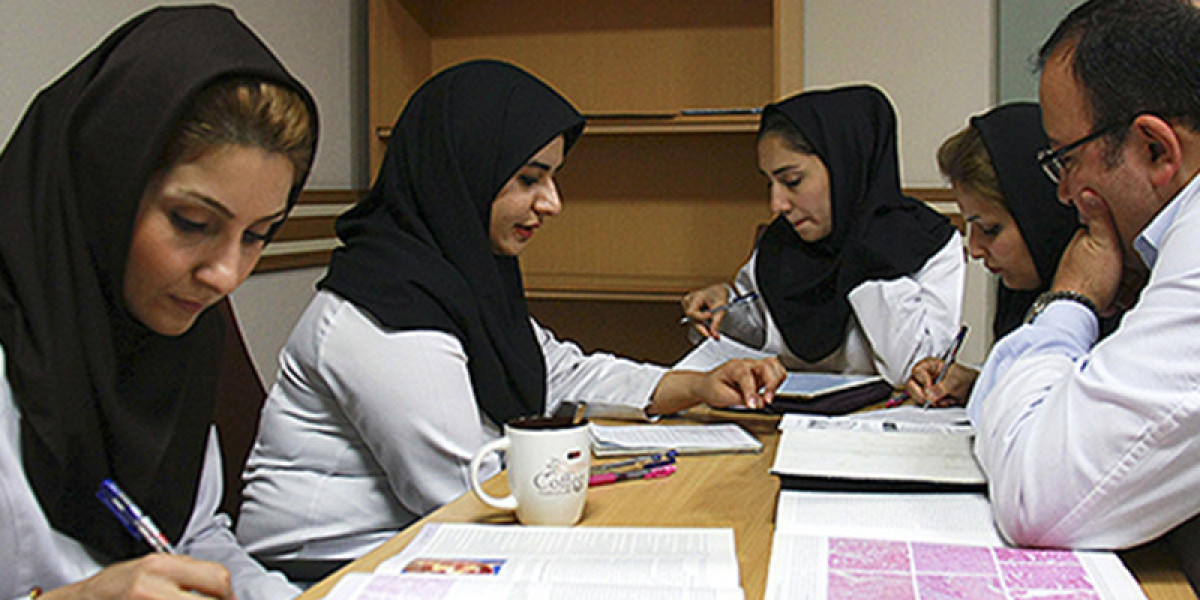

Pursuing an MBBS in Uzbekistan for Indian students has gained steady momentum over the last few years, not because of aggressive marketing or hype, but due to practical, on-ground advantages that many students and parents discover only after careful evaluation. Uzbekistan’s medical education system is built on a disciplined academic framework, strong hospital-based learning, and affordability that makes it accessible to middle-class families. Unlike destinations that look attractive only on paper, Uzbekistan offers a realistic and structured environment where medical students are trained to handle real clinical responsibilities, adapt to international standards, and prepare for medical practice in India or abroad.
Understanding the Academic Structure in Uzbekistan
Medical education in Uzbekistan follows a well-defined and regulated structure overseen by the Ministry of Higher Education and the Ministry of Health. The MBBS program typically spans six years, including five years of academic education and one year of internship or clinical training. The early phase of the program focuses on building a strong foundation in basic medical sciences such as anatomy, physiology, biochemistry, histology, and microbiology. These subjects are taught with a clear emphasis on conceptual understanding rather than superficial memorization, which helps students develop analytical thinking from the beginning.
As students progress into higher years, the curriculum gradually shifts toward para-clinical and clinical subjects, including pathology, pharmacology, internal medicine, surgery, pediatrics, obstetrics and gynecology, orthopedics, and emergency medicine. This transition is systematic and prepares students mentally and academically for hospital-based learning. The academic pace is steady but demanding, requiring consistency, discipline, and regular revision.
Teaching Style and Classroom Reality
The teaching style in Uzbek medical universities is structured, formal, and professor-led. Classes are usually smaller compared to overcrowded private medical colleges, allowing better interaction between students and faculty. Professors emphasize clarity of medical concepts, structured note-taking, and regular assessments. Students are expected to attend lectures consistently, maintain academic discipline, and participate actively in practical sessions.
Unlike purely theory-heavy systems, medical education in Uzbekistan encourages students to link classroom learning with real medical cases. Laboratory sessions, demonstrations, and problem-based discussions are integral parts of the learning process. This approach ensures that students do not treat subjects as isolated units but understand how medical knowledge is applied in clinical practice.
The Reality of Clinical Exposure
One of the strongest ground-level advantages of studying MBBS in Uzbekistan is clinical exposure. Most medical universities are affiliated with government hospitals and teaching hospitals that serve large populations. These hospitals experience a steady flow of patients daily, giving students exposure to a wide range of diseases and medical conditions commonly seen in developing healthcare systems similar to India.
Clinical exposure usually begins gradually, with observation in the early stages and more active participation in later years. Students attend ward rounds, observe diagnostic procedures, and take part in case discussions under supervision. By the time students reach senior years and internship, they are comfortable navigating hospital environments, understanding patient histories, and following treatment protocols. This real-world exposure plays a crucial role in building confidence and clinical maturity.
Internship and Hands-On Responsibility
The internship phase in Uzbekistan is a significant turning point in a medical student’s journey. During this period, students rotate through major clinical departments and are expected to apply their theoretical knowledge in real patient-care settings. Under supervision, interns assist doctors, observe procedures closely, and gradually handle basic medical responsibilities.
This hands-on experience teaches students how hospitals actually function, including teamwork, communication with nurses and senior doctors, time management, and ethical patient care. The internship prepares students for the realities of medical practice, making the transition to professional roles smoother after graduation.
Language, Communication, and Adaptation
Although MBBS programs in Uzbekistan are taught in English for international students, clinical interaction often requires basic knowledge of local languages such as Uzbek or Russian. Universities usually provide language support classes to help students communicate during hospital postings. Over time, students naturally pick up commonly used medical terms, which improves patient interaction and clinical learning.
From a ground-reality perspective, Indian students generally adapt well due to cultural similarities, disciplined academic environments, and a growing Indian student community across Uzbek universities. This adaptation helps reduce homesickness and academic stress.
Living Conditions and Student Life
Student life in Uzbekistan is relatively simple, disciplined, and focused on academics. Most international students live in university hostels, which are affordable, secure, and located close to campuses. Hostels provide basic amenities such as heating, internet, laundry access, and shared kitchens. Some students choose to move into shared apartments in later years for greater independence.
Daily living costs in Uzbekistan are low compared to many other MBBS destinations. Food, transportation, and utilities are budget-friendly, and Indian groceries are increasingly available in major cities. This affordability allows students to focus on their studies without constant financial pressure.
Safety and Support Systems
Uzbekistan is considered one of the safer countries in Central Asia for international students. University campuses maintain strict security protocols, and student accommodations are monitored regularly. International student offices assist with documentation, visa extensions, and administrative processes, making it easier for foreign students to settle in.
Parents often appreciate the structured and disciplined environment, which minimizes distractions and encourages academic focus. The overall atmosphere supports serious medical training rather than casual campus life.
Preparation for Indian Medical Practice
From a practical standpoint, medical education in Uzbekistan aligns well with Indian medical practice requirements. The disease patterns, patient loads, and hospital workflows are similar to those in Indian government hospitals. This familiarity helps students adapt quickly when they return to India for licensing exams or internships.
Graduates are eligible to appear for FMGE or NExT in India, and the clinical exposure they receive in Uzbekistan helps them approach these exams with better clinical understanding and confidence. Students who remain consistent throughout their MBBS program generally find themselves well-prepared for the next stage of their medical career.
Career Outlook and Long-Term Value
The real value of studying MBBS in Uzbekistan lies in the balance it offers between affordability, structured education, and practical training. Graduates have the option to return to India, pursue postgraduate studies abroad, or explore opportunities in other countries after meeting licensing requirements. The disciplined training system builds resilience, adaptability, and professional maturity, which are essential qualities for a successful medical career.
Conclusion
A ground-reality look at medical education in Uzbekistan reveals a system that is practical, disciplined, and focused on producing competent doctors rather than just degree holders. With its structured curriculum, strong clinical exposure, affordable living costs, and safe environment, Uzbekistan provides Indian students with a realistic and effective pathway to becoming medical professionals. For students who are serious about medicine and willing to commit to consistent effort, Uzbekistan offers an education that prepares them not just for exams, but for real-life medical practice.