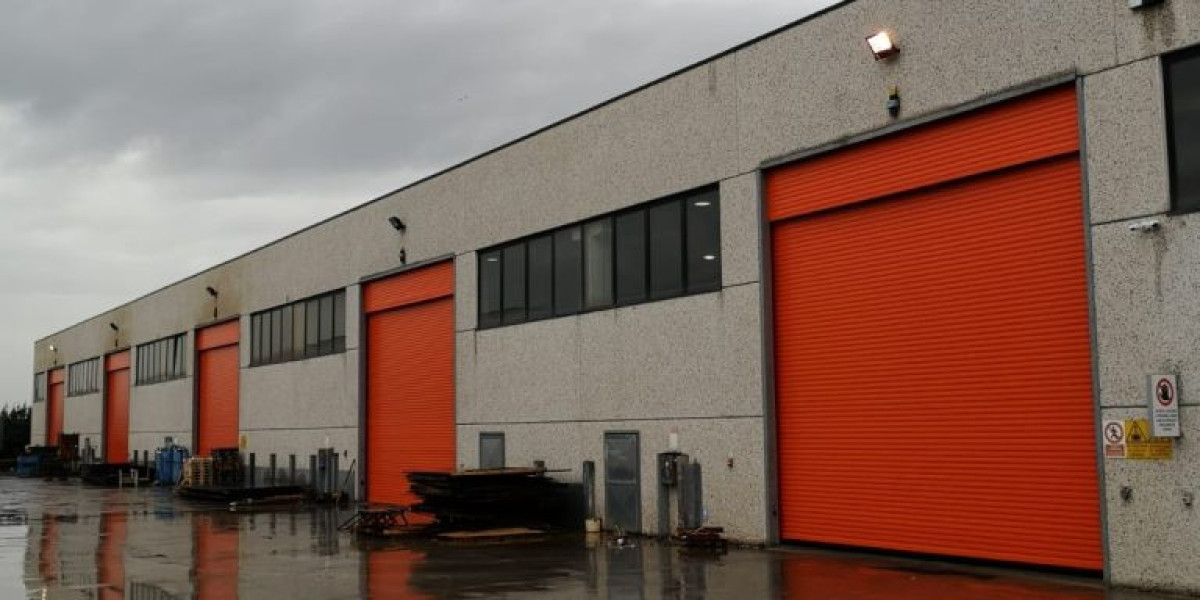

Maintenance Practices That Extend the Life of Commercial Roll Up Doors
Daily inspections are a fundamental step in maintaining the performance and longevity of Commercial Roll up Doors. A thorough check should begin with examining the door's tracks for any visible obstructions or signs of misalignment. Loose screws or bolts on brackets and hinges can compromise the door's stability and should be tightened promptly. The condition of the rollers should be assessed to ensure they move smoothly within the tracks, as uneven movement can indicate wear or damage.
Attention should also be given to the tension of the door springs, as improper tension can affect the door's balance and functionality. Inspecting the cables for any fraying or damage is equally critical to avoid sudden breakages. Testing the door's safety mechanisms, such as sensors or stopping features, helps ensure they are operational. Daily vigilance can prevent minor issues from developing into more significant complications over time.
Lubrication Tips to Prevent Wear and Tear
Applying lubrication to the moving components of commercial roll-up doors is an essential maintenance practice that reduces wear and ensures smooth operation. Regular attention should be paid to key components, including hinges, tracks, rollers, and bearings. A quality lubricant specifically formulated for industrial doors is highly recommended, as it can provide effective protection against rust and corrosion while minimising friction between metal components.
It is important to clean the areas requiring lubrication before application, as dirt and debris can reduce the lubricant's effectiveness. A dry cloth or soft brush can be used to remove any buildup on the surfaces. Once cleaned, a modest application of lubricant should be evenly distributed across the moving parts. Overuse of lubricant is discouraged, as excessive amounts can accumulate dust and grime, potentially hindering functionality.
Temperature fluctuations and environmental factors can affect lubricant performance, particularly in industrial or outdoor settings. For this reason, establishing a consistent lubrication schedule is advisable, with applications every 3 to 4 months, depending on operational demands. Additionally, the specific requirements of the door's material and design should be considered when selecting a suitable lubricant.
Paying attention to any irregularities, such as grinding noises or stiffness in movement, can indicate areas where lubrication may be insufficient or parts that require further inspection. Maintaining an organised approach to lubrication not only supports the door's efficiency but also helps prevent unnecessary strain that can lead to mechanical failures over time.
How to Identify Issues Before They Escalate
Observing the operation of commercial roll-up doors can reveal subtle indicators of underlying issues before they become severe. Irregular noises, such as grinding or squeaking during movement, can suggest problems with components like rollers, tracks, or bearings. Variations in the speed or ease of the door's movement may indicate motor strain, spring imbalances, or alignment concerns.
Regularly examining the door for visible signs of wear is another proactive measure. Worn or cracked rollers, misaligned tracks, and frayed cables are early warning signs that require immediate attention to prevent further deterioration. Additionally, sagging sections or uneven movement of the door panels could point to structural imbalances or weakened hinges.
Testing the responsiveness of sensors or safety mechanisms can also provide insight into operational performance. Delayed or unreliable function in these systems may signal electrical or mechanical issues that need rectification. Monitoring the condition of weather seals and the integrity of the door's surface is equally important, as damaged seals or corrosion can lead to increased wear and tear or energy inefficiencies.
Operational patterns can further help identify potential problems. For example, repeated disruptions or sudden stops during the door's opening or closing cycles could suggest internal issues within the system's drive components or springs. Consistently checking for these indicators not only helps identify developing faults but also enables timely repairs, reducing the risk of prolonged downtime or extensive damage.
Cleaning Techniques to Maintain Door Functionality
Maintaining the cleanliness of commercial roll-up doors is vital to ensure reliable performance and prevent unnecessary wear. Dust, dirt, and debris can accumulate on the door's surfaces and within its mechanisms, potentially hindering its smooth operation. For optimal results, cleaning should focus on areas such as the tracks, hinges, and panels, which are particularly prone to buildup. Using a non-abrasive cleaning solution with a soft cloth or sponge can effectively remove grime without damaging the finish or the door's structural integrity.
Particular care should be taken with the tracks, as debris lodged within these components can obstruct the rollers and disrupt functionality. A soft brush or vacuum with an appropriate nozzle can be utilised to clear these areas effectively. Once the surface debris has been removed, wiping down the tracks with a damp cloth can help remove any residual dirt. Additionally, any water used during the cleaning process should be dried thoroughly to avoid promoting rust or corrosion on metal parts.
In environments where the door is exposed to harsh conditions, such as industrial facilities or high-traffic areas, a more frequent cleaning schedule may be necessary. Ensuring that the door is not exposed to strong cleaning chemicals or abrasive tools will also help preserve its material and coatings. By regularly removing contaminants, the door is less likely to suffer from operational inefficiencies or premature degradation, thereby maintaining its functionality over an extended period.
Replacing Worn Components Efficiently
When components of commercial roll-up doors begin to show signs of deterioration, addressing the issue promptly ensures continued reliability and safety. Regularly inspecting the functionality of essential parts, such as rollers, hinges, and tracks, can help identify when replacement is required. Faulty rollers, for example, can disrupt the door's smooth operation and place undue strain on other components, while worn hinges can cause misalignment or instability.
Maintaining an organised inventory of frequently replaced parts, such as weather seals or bolts, allows for swift action when wear becomes evident. Collaborating with trusted suppliers is essential to sourcing high-quality replacements that meet the door's specifications, reducing the likelihood of additional complications caused by inferior materials. Using replacement parts compatible with the door's design ensures smooth integration and consistent performance.
Replacing worn elements also offers an opportunity to enhance the door's efficiency by incorporating upgraded components. For instance, utilising advanced weather-resistant materials for seals or opting for higher-grade rollers can improve overall performance and reduce future maintenance needs. The replacement process should be carried out with precision to avoid further misalignment or damage during reinstallation.
Ensuring that replacements are performed by experienced personnel, whether in-house or through professional services, mitigates the risk of improper installation. Periodically reviewing the condition of all components and having a clear strategy for replacements helps prevent urgent repairs, supporting the long-term operational demands of commercial roll-up doors.
Professional Services for Commercial Roller Doors Near Me
Professional services for Commercial Roller Doors near me offer specialised expertise in maintenance and repair of these essential structures. Technicians trained in handling commercial roller doors possess the skills necessary to identify and address issues efficiently. Their knowledge extends to a wide range of door systems, ensuring tailored solutions that align with specific operational requirements. By employing advanced tools and industry-approved techniques, professionals can diagnose problems that may not be immediately apparent through routine inspections.
The advantage of engaging local service providers lies in their accessibility and prompt response times. In urgent situations, having professionals nearby reduces downtime, which is critical for businesses relying on uninterrupted operations. These experts are equipped to handle tasks ranging from routine maintenance to replacing worn components, ensuring the doors continue to function optimally.
Professional services often include implementing preventive measures, such as improving weatherproofing or upgrading existing systems for enhanced durability and efficiency. Their familiarity with compliance standards ensures that commercial roller doors meet safety regulations, reducing liability risks for businesses. Local professionals may also have established connections with reliable suppliers, facilitating the sourcing of high-quality replacement parts that extend the life of the door system.
For businesses seeking long-term reliability and improved functionality, investing in professional maintenance services ensures consistent performance while addressing the unique demands of commercial environments.
Weatherproofing Strategies for Longer Lifespan
Proper weatherproofing of commercial roll-up doors is vital for ensuring their resilience against environmental elements. High-quality weather seals are particularly effective in preventing the intrusion of water, dirt, and debris, making them an essential component of any weatherproofing plan. These seals should be inspected routinely for wear or damage, as compromised seals can diminish their effectiveness. For additional protection, applying weather-resistant coatings or specialised paints can shield metal surfaces from corrosion caused by moisture or exposure to harsh climates.
Installing threshold seals or brush strips along the bottom edge of the door can further enhance its ability to block external elements. Such measures also improve energy efficiency by minimising drafts and heat loss, particularly in temperature-sensitive environments. Weatherproofing can also extend to securing the areas around the door frame, where gaps may allow air or moisture to pass.
Doors exposed to heavy rainfall, strong winds, or extreme temperatures may require reinforced materials or specialised treatments to withstand these conditions. Incorporating protective covers or awnings above doorways can limit direct exposure to precipitation, reducing the risk of water damage. Regular monitoring and upkeep of these strategies ensure that the protective measures remain functional, preserving the door's structural integrity across changing weather conditions.
Upgrading Mechanisms in Commercial Roller Doors Adelaide
Upgrading Commercial Roller Doors Adelaide is more than just a maintenance task—it's a way to enhance efficiency, safety, and durability. Modern advancements in mechanisms allow businesses to streamline operations while meeting higher performance demands.
Enhanced Motor Systems
Installing advanced motor systems optimises door operation, delivering faster, smoother, and quieter movement. Energy-efficient designs reduce operational costs, particularly in high-traffic environments, and lower the overall carbon footprint of frequent use.
Automated Controls
Integrating automated controls provides convenience and precision. Remote access systems and programmable settings allow operators to manage doors efficiently, reducing manual handling and improving workflow in busy commercial spaces.
Improved Safety Features
Modern roller doors can include advanced sensors, emergency stop functions, and obstruction detection. These upgrades minimise the risk of accidents and ensure compliance with workplace safety standards, safeguarding both personnel and equipment.
Weather-Resistant Materials
Using weather-resistant components, such as reinforced seals and corrosion-proof finishes, protects doors from environmental wear. These materials extend the lifespan of the roller door and maintain functionality in areas with extreme temperatures or high humidity.
Energy-Efficient Upgrades
Incorporating insulated panels and draught-reducing mechanisms helps maintain controlled indoor temperatures. These features not only improve energy efficiency but also support climate-sensitive operations, such as storage facilities or temperature-regulated warehouses.
By implementing these upgrades, commercial roller doors can operate more reliably, safely, and efficiently, transforming a standard entryway into a high-performance asset that supports daily operations while reducing long-term costs.
Safety Checks to Avoid Accidents and Damage
Performing routine safety checks on commercial roll-up doors is a vital measure to ensure operational reliability and the safety of surrounding personnel. Thorough evaluations of structural components, such as hinges, tracks, and rollers, can identify early signs of wear or misalignment that may compromise the door's stability. Addressing these issues promptly can prevent further deterioration and reduce the risk of sudden failures.
Safety mechanisms, including sensors and auto-reverse systems, should undergo regular testing to confirm they are functioning as intended. Any irregularities in these features may indicate underlying faults requiring immediate attention to maintain proper safety standards. The emergency release system, designed for use during power outages or malfunctions, should also be inspected periodically to verify its readiness in critical situations.
Attention should be directed to the door's balance and alignment, as an imbalance can increase strain on the motor and other components, leading to operational inefficiencies or potential hazards. Additionally, inspecting the integrity of cables, springs, and fasteners is essential to prevent abrupt failures.
Conclusion
Maintaining Commercial Roll up Doors requires a proactive approach that combines daily inspections, proper lubrication, regular cleaning, and timely component replacements. Upgrading mechanisms and implementing weatherproofing strategies further enhance operational efficiency, safety, and durability. Engaging professional services ensures expert oversight, reduces downtime, and extends the door's lifespan. By adopting these maintenance practices, businesses can prevent costly repairs, minimise operational disruptions, and maintain a safe working environment. Consistent attention to both mechanical and environmental factors ensures that commercial roller doors remain a reliable and long-lasting asset.
FAQs
1.How often should I inspect my Commercial Roll Up Doors?
Regular inspection of Commercial Roll Up Doors is essential to maintain safety, reliability, and smooth operation. It is recommended to check these doors daily, especially in busy commercial environments where they are used frequently.
2. What type of lubricant is best for roll-up doors?
Use an industrial-grade lubricant designed for metal components, applying it every 3 to 4 months to avoid excess and prevent grime buildup.
3. When should worn components be replaced?
Replace rollers, hinges, cables, and weather seals as soon as visible wear or damage is observed to maintain smooth operation and safety.
4. Can weatherproofing extend the door's lifespan?
Yes. Installing high-quality seals, coatings, and threshold strips protects against water, debris, and corrosion, improving durability and energy efficiency.
5. Are professional services necessary for maintenance?
Professional technicians provide expertise, timely repairs, and preventative upgrades, ensuring optimal performance and compliance with safety standards.
Related Business Listings |