
A sudden ticking noise. Rough idling. Engine misfires. Difficulty starting your vehicle. These small warning signs often point to a much bigger issue hidden under your hood — worn or failing timing belt kits.
Many vehicle owners ignore early symptoms, assuming it’s a minor issue. Unfortunately, delaying inspection or replacement can lead to catastrophic engine damage, especially in interference engines where a broken timing belt can destroy valves and pistons instantly.
Understanding the role of timing belt kits is the first step toward protecting your engine and avoiding expensive repairs.
What Happens When Timing Belt Kits Fail?
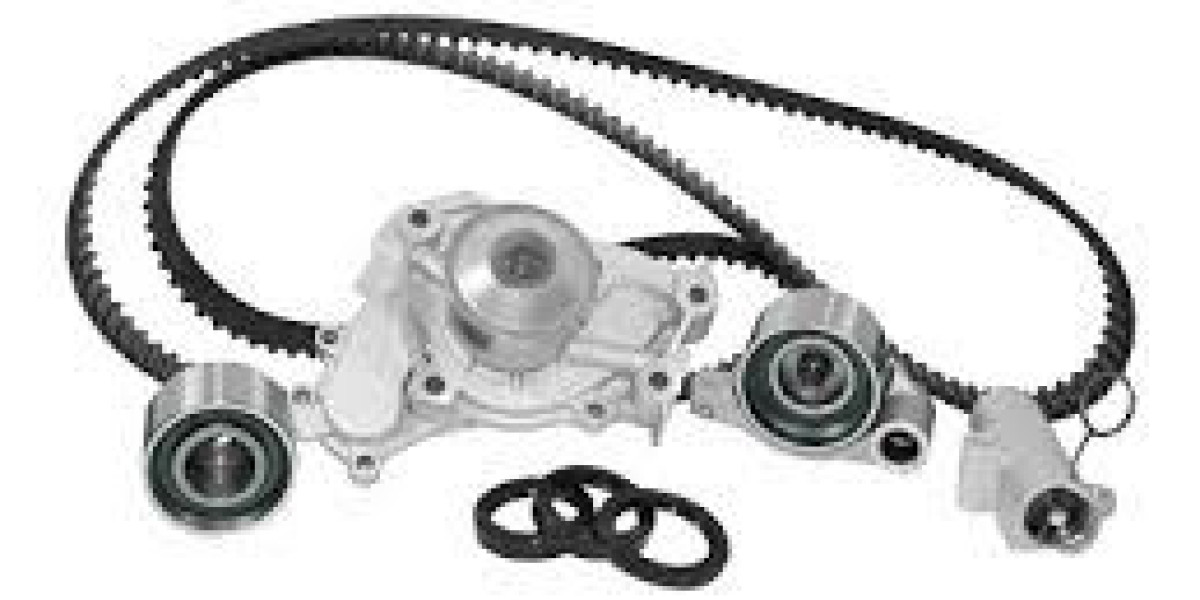
The timing belt is responsible for synchronizing the crankshaft and camshaft, ensuring engine valves open and close at the correct time. A complete kit typically includes the timing belt, tensioner, idler pulleys, and sometimes a water pump.
When these components wear out:
Engine timing becomes misaligned
Power loss and fuel inefficiency occur
Engine vibrations increase
Risk of total engine breakdown rises
If the belt snaps while driving, it can cause severe internal engine damage. That’s why replacing worn timing belt kits before failure is critical.
Common Warning Signs You Should Never Ignore
Ignoring early symptoms can cost thousands in repairs. Look out for:
1. Ticking or Clicking Noise from Engine
A worn timing belt or failing tensioner may create unusual engine noises.
2. Engine Misfires
If the belt slips on the camshaft drive, cylinders may open or close incorrectly, causing misfiring.
3. Oil Leaks Near the Motor
Oil leakage from the timing belt cover can accelerate belt wear and reduce performance.
4. Rough Idling or Vibrations
Improper synchronization disrupts combustion, resulting in unstable engine operation.
If you notice any of these issues, it may be time to inspect or replace your timing belt kits before more serious damage occurs.
Why Replacing the Entire Kit Matters
Some vehicle owners replace only the belt to save money. This approach often leads to repeated failures because tensioners and pulleys wear out at similar rates.
A complete timing belt kit ensures:
Proper belt tension
Smooth pulley rotation
Extended service life
Reduced maintenance frequency
Improved engine reliability
Replacing all components together maintains correct engine timing and protects critical parts such as camshafts, crankshafts, and water pumps.
How Often Should Timing Belt Kits Be Replaced?
Most manufacturers recommend replacement between 60,000 and 100,000 miles, depending on vehicle type and driving conditions. However, extreme heat, dusty environments, and stop-and-go traffic can shorten lifespan.
If you're unsure about your vehicle’s replacement interval, checking service records or consulting an automotive specialist is highly recommended.
Preventive maintenance is always more affordable than emergency engine repair.
Protect Your Engine Before It’s Too Late
Timing system failure is one of the most expensive preventable engine problems. A proactive replacement strategy not only safeguards your vehicle but also improves performance, fuel economy, and driving confidence.
Investing in high-quality timing belt kits ensures durability, consistent engine synchronization, and long-term reliability. Whether you manage a fleet or maintain a personal vehicle, regular inspection and timely replacement should never be postponed.
Don’t wait for a complete breakdown. Address early warning signs and protect your engine from unnecessary risk today.


