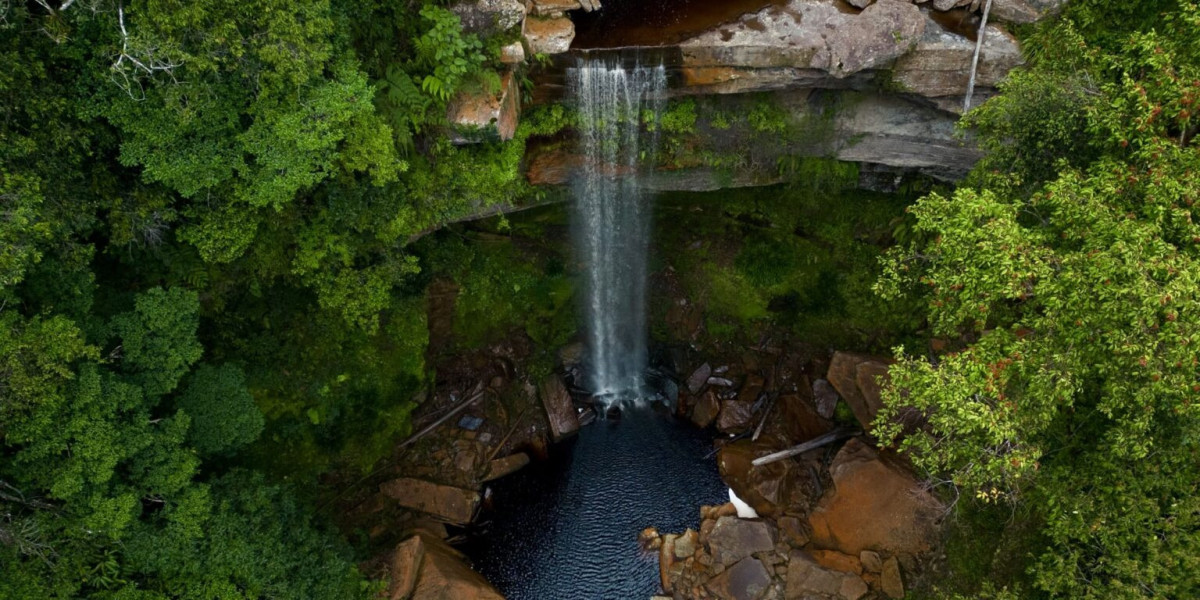

Deep in the heart of Borneo lies one of the planet's most pristine and untouched natural wonders. A place where dense tropical rainforest stretches for miles, cascading rivers carve through the landscape, and an astonishing variety of flora and fauna thrives undisturbed. This ecological sanctuary offers more than just breathtaking scenery; it is a living laboratory and a critical haven for biodiversity.
The rainforest in this region is often referred to as the “Lost World” due to its relatively isolated location and the richness of its ecosystems. Towering dipterocarp trees, some of which are centuries old, create a lush canopy that shelters a diverse understory of plants and wildlife. Orchids and ferns flourish in the humid environment, while streams and waterfalls provide both tranquility and essential habitats for countless species.
Visitors to this area quickly realize that it is not just another tourist destination. It is an immersive experience that allows people to reconnect with nature in its most authentic form. Guided tours are carefully designed to minimize human impact while maximizing opportunities to witness the forest's wonders. Knowledgeable guides lead trekkers along trails that weave through pristine wilderness, sharing insights about the local ecology, conservation efforts, and the significance of protecting such unique environments.
Wildlife encounters here are unforgettable. The forest is home to an array of mammals, birds, and insects, many of which are rare or endemic to Borneo. Observant visitors might spot agile macaques leaping between trees, or hear the haunting calls of hornbills echoing through the canopy. With patience and guidance, it is also possible to observe clouded leopards, sun bears, and orangutans in their natural habitats, highlighting the critical importance of preserving these ecosystems.
Scientific research is a cornerstone of this sanctuary. Ecologists and biologists from around the world come to study its unique biodiversity and the complex interactions within the rainforest. Long-term studies help monitor species populations, track climate change impacts, and develop strategies for sustainable conservation. These research efforts not only deepen our understanding of tropical ecosystems but also inform global conservation initiatives.
The area also serves as a model for sustainable eco-tourism. Accommodation options are designed to blend seamlessly with the natural environment, minimizing environmental footprints while providing comfort and safety for visitors. From simple lodges nestled among the trees to carefully maintained campsites near rivers, each stay encourages guests to engage respectfully with nature. Visitors are also educated on responsible practices, such as reducing waste, staying on designated trails, and respecting wildlife, ensuring that tourism supports rather than disrupts the delicate ecosystem.
Seasonal changes bring new layers of beauty to the forest. The rainy season fills streams and rivers, creating spectacular waterfalls and vibrant greenery, while the drier months reveal hidden flowers and active wildlife. Each visit offers a unique perspective on the forest's rhythm, underscoring the importance of protecting it year-round.
Local communities play an essential role in these conservation efforts. By partnering with indigenous groups and nearby villages, initiatives promote sustainable livelihoods, environmental education, and cultural preservation. These collaborations strengthen the social fabric around the forest while fostering a deeper appreciation of its ecological significance.
For nature enthusiasts, photographers, and researchers, this rainforest offers limitless opportunities for exploration. Trekking through dense foliage, observing rare species, or simply sitting by a river and listening to the symphony of sounds from the forest creates experiences that are both humbling and inspiring. Every trail, waterfall, and observation point tells a story of resilience, interconnection, and the importance of protecting natural heritage.
The importance of conserving such areas extends far beyond local or national borders. Tropical rainforests act as vital carbon sinks, regulate global weather patterns, and support countless species that cannot survive elsewhere. Protecting these forests is critical for biodiversity, climate stability, and the well-being of future generations. Visitors leave with not just memories but also a renewed sense of responsibility towards the environment.
In conclusion, the Maliau Basin Conservation Area stands as a beacon of hope in a world where natural habitats are increasingly under threat. By providing a sanctuary for wildlife, supporting scientific research, and promoting responsible eco-tourism, it exemplifies how humans can coexist harmoniously with nature. For those seeking an unforgettable adventure while contributing to meaningful conservation, experiencing this hidden gem is both a privilege and a call to protect the planet's irreplaceable treasures.