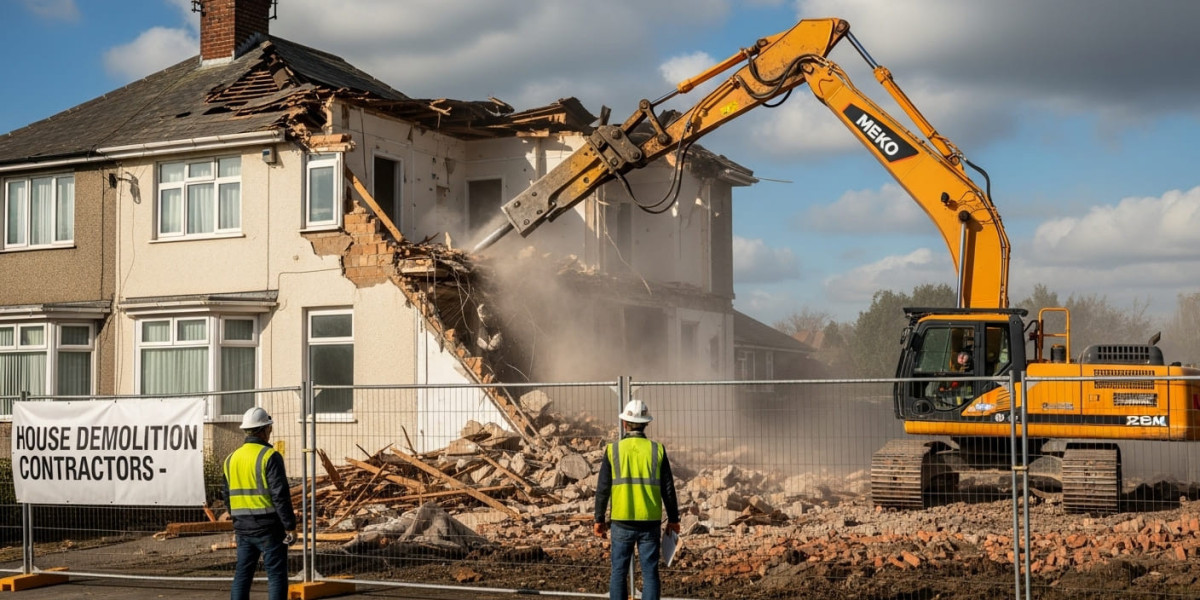

In the construction world, the foundation of a great project is not poured concrete; it is a clean site. Before a builder can start laying bricks or framing walls, the slate must be wiped clean. Old structures, hidden footings, and overgrown vegetation need to vanish. While it might seem like a simple task of "knocking things down," seasoned builders know that demolition is a critical phase that can make or break a project's timeline and budget.
This is why top-tier builders consistently partner with professional demolition contractors. They understand that demolition is not just about destruction; it is about precision, safety, and site preparation. A skilled team does not just leave a pile of rubble; they leave a site that is "build-ready."
The relationship between a builder and their demolition partner is symbiotic. When the demolition is executed flawlessly, the builder can move in immediately, keeping the project on schedule. When it goes wrong—leaving behind asbestos contamination or damaging underground pipes—the delays can be catastrophic. Understanding why builders value this expertise sheds light on why homeowners should too.
The Art of the "Build-Ready" Site
Builders hate surprises. Imagine a concreter arriving to pour a slab, only to find that the old house's concrete footings were left in the ground, covered by a thin layer of dirt. The pour stops. An excavator has to be called back. The schedule is blown.
Skilled demolition contractors prevent this. They perform a process known as "grubbing." This involves digging through the soil to remove not just the visible house, but the subterranean infrastructure. They pull out old sewer pipes, deep tree roots, and concrete piers.
They also ensure the site is level. A site left with massive divots or piles of loose earth requires expensive earthworks to fix. A professional contractor leaves the site tracked and flat, allowing the surveyor to set out the new house boundaries immediately. This seamless handover is invaluable to a builder's workflow.
Risk Management: Asbestos and Hazardous Materials
The most significant risk in Australian renovation and rebuilding is asbestos. Builders are not usually licensed to remove friable asbestos. If they encounter it unexpectedly, work must cease immediately.
Professional demolition contractors are the first line of defence. They conduct thorough audits before a machine touches the site. They identify asbestos in eaves, wall sheeting, and even under vinyl flooring. Their licensed teams remove this hazardous material safely and legally, transporting it to specialized waste facilities.
By handing a site over to a builder that is certified "asbestos-free," the demolition contractor removes a massive liability. It protects the health of the tradespeople who will work on the site later and ensures compliance with strict SafeWork regulations.
Protecting the Perimeter
Construction often happens in tight suburban streets. Builders need to maintain good relationships with neighbours to ensure the project runs smoothly. Nothing sours a relationship faster than a demolition contractor who damages a dividing fence or cracks a neighbour's wall.
Skilled contractors use precision techniques. They might hand-demolish a wall that sits on the boundary line rather than using a large machine. They install protection measures like vibration monitors and dust suppression systems (water sprays) to minimize the impact on the surrounding homes.
This care protects the builder's reputation. When the builder arrives to start construction, the neighbours are not already hostile due to a messy demolition phase.
Efficiency and Waste Management
Builders operate on tight margins. Waste disposal is a significant cost. Sending mixed waste to a landfill is incredibly expensive due to government levies.
Demolition contractors are experts in waste segregation. On-site, they separate timber, brick, concrete, and metal.
- Concrete and Brick:Crushed and recycled into road base or aggregate.
- Metal:Sent to scrap recyclers for melting down.
- Green Waste:Mulched for landscaping.
By recycling up to 80% or 90% of the material, they reduce the disposal costs significantly. These savings are often reflected in the quote. A builder knows that a contractor who recycles is not only environmentally responsible but also financially efficient.


